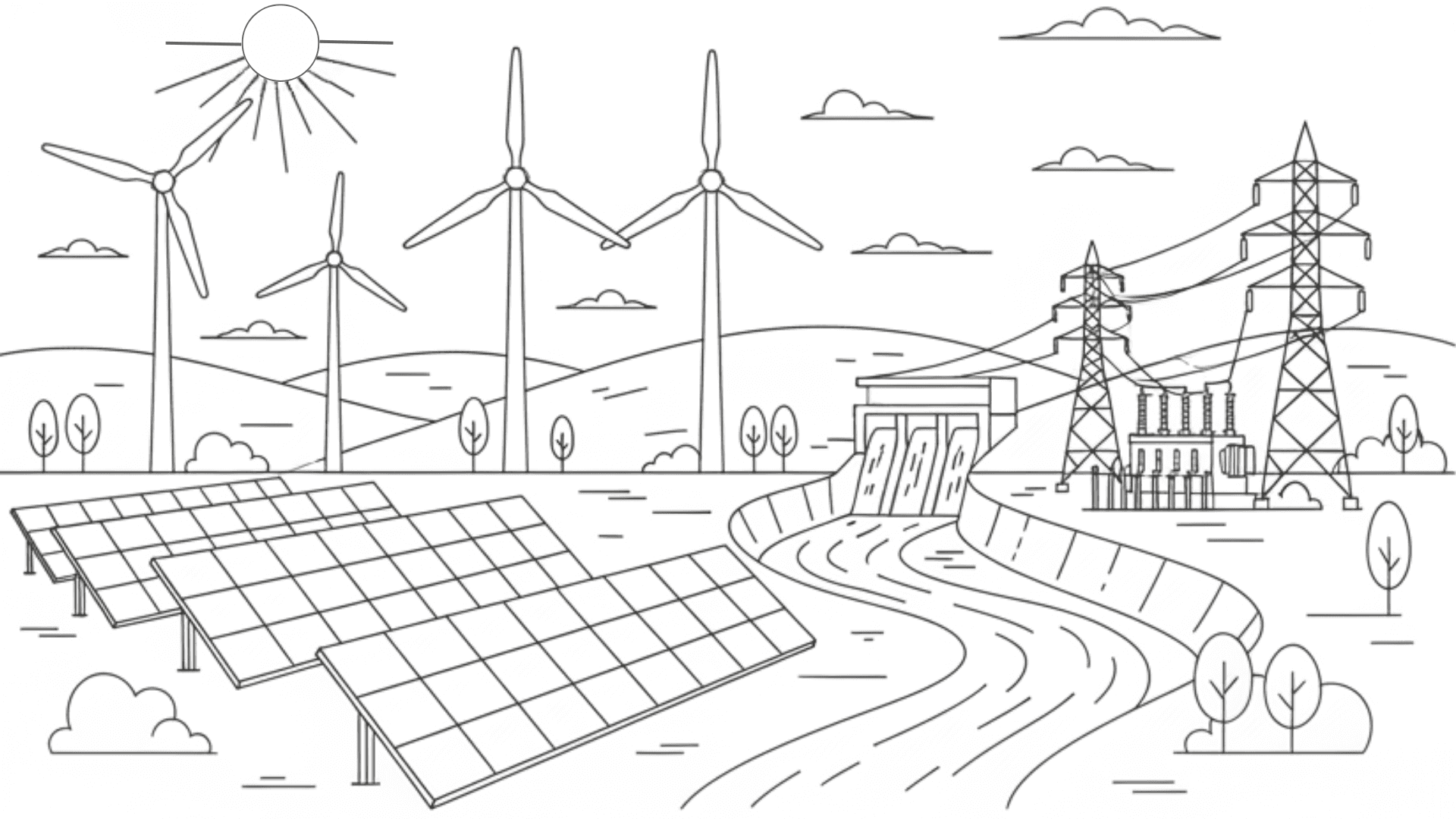
Renewable energy is becoming increasingly seen as a highly effective means of reducing climate change and helping to achieve long-term global sustainability objectives. In contrast to fossil fuels such as coal, oil, and natural gas, renewable energy sources release far fewer greenhouse gases (GHGs) when operating and often none at all.
While they have obvious environmental benefits, renewable energy systems have some drawbacks. As with all energy production methods, renewable energy sources impact the environment. Renewable energy infrastructure, such as solar farms or wind turbines, demands materials such as glass, steel, and composites. The manufacturing of these materials can consume energy and release emissions. Also, the demand for physical space can create land clearing, habitat destruction, and local ecosystem disruption.
For instance, solar power systems may need extensive land areas, particularly in the case of utility-scale projects. Potential effects include soil compaction, vegetation removal, and erosion, all of which are injurious to the environment as well as wildlife. One remedy to reduce such effects is to opt for development over intact natural habitats on lands that are already disturbed or underutilized, such as parking lots, rooftops, brownfields, or agricultural fields.
Wind Energy
Its location and application also affect the environmental footprint of wind power. Its impact on bird and bat populations is sometimes questioned. It can kill through blade collisions, interrupt migratory patterns, and compromise habitat integrity.
These, though, can be substantially minimized by selecting the optimal location, tracking wildlife patterns, and implementing deterrent technologies. Colouring turbine blades a certain colour can even reduce bird collisions, said some studies, providing an easy yet efficient alternative.

Source: Science Direct
Some other options include ultrasonic acoustic deterrents, which minimize the risk of collision by employing high-frequency sounds to deter bats and birds from coming near turbines. To decrease wildlife occurrence in high-risk areas, soil tillage is employed to alter the habitat around wind farms, making it less favourable for feeding or nesting.
Ecological and human issues may be resolved by modifying the blade profile, for example, by painting one blade black, to enhance bird visibility. To effectively balance wildlife preservation and energy generation, automated curtailment applies live monitoring technology to switch off turbines during periods of high bird activity, like migratory seasons.
Hydropower
Another major renewable energy source, hydropower, also poses its own risks. By altering water flow, impeding fish migration routes, and creating reservoirs that emit methane, a potent greenhouse gas, dams can interfere with aquatic ecosystems. Water quality and aquatic diversity may experience long-term impacts from poorly planned hydropower schemes. Advanced technologies, environmental studies, and planning can all minimize these impacts.
End-of-life Renewables
The life cycle at the end of renewable technologies is also a very important aspect to consider. Solar panels contain metals such as lead, cadmium, silicon, and others. Lithium and lead are two toxic materials that commonly occur in batteries utilized in energy storage systems. These can leak into the environment and lead to pollution if they are not disposed of and recycled properly. Therefore, there is a need to build efficient recycling and waste management systems to ensure renewable energy sources remain an option in the future.
Mining
Extracting raw materials used for renewable energy equipment has its environmental impact. For example, extracting solar-panel-required metals such as tellurium, copper, indium, and silver generates emissions and can pollute soil and water if not processed correctly. Such an effect does happen, but it is typically much less devastating than the continuous emissions coming from the combustion of fossil fuels.
Long-Term Benefits of Renewable Energy Outweigh the Drawbacks
In spite of such trade-offs, the advantages of renewable energy heavily outweigh the disadvantages. Fossil fuels emit sulfur dioxide and nitrogen oxides, among other toxic air pollutants, besides carbon, which is the major cause of climate change. Such materials have been associated with smog, acid rain, and respiratory disorders such as asthma and bronchitis. We also minimize the occurrence of these health risks and enhance the quality of the air in communities across the globe by shifting away from fossil fuels.
Another strong reason to invest in alternative energy sources is that they are abundant and long-lasting.
Fossil fuel reserves are finite and may be depleted within the next 50 years, according to many experts. Solar and wind power, on the other hand, are virtually unlimited. These systems can run for decades after installation, providing clean energy; solar panels, for example, can help save a lot of carbon over their 25-year lifespan.
Frequently Asked Questions:
1. What are the environmental impacts of renewable energy?
While renewable energy reduces greenhouse gas emissions, it can also cause land use changes, habitat disruption, and wildlife disturbances.
2. Does renewable energy affect wildlife?
Yes, large solar farms and wind turbines can disrupt ecosystems. Wind turbines, in particular, may pose risks to birds and bats if not properly located.
3. How can the environmental impact of renewable energy be reduced?
Impacts can be minimized by careful site selection, using existing infrastructure like rooftops, and employing wildlife protection technologies.
4. Is renewable energy better for the environment than fossil fuels?
Yes. Despite some environmental trade-offs, renewable energy emits far fewer greenhouse gases and pollutants compared to fossil fuels.


