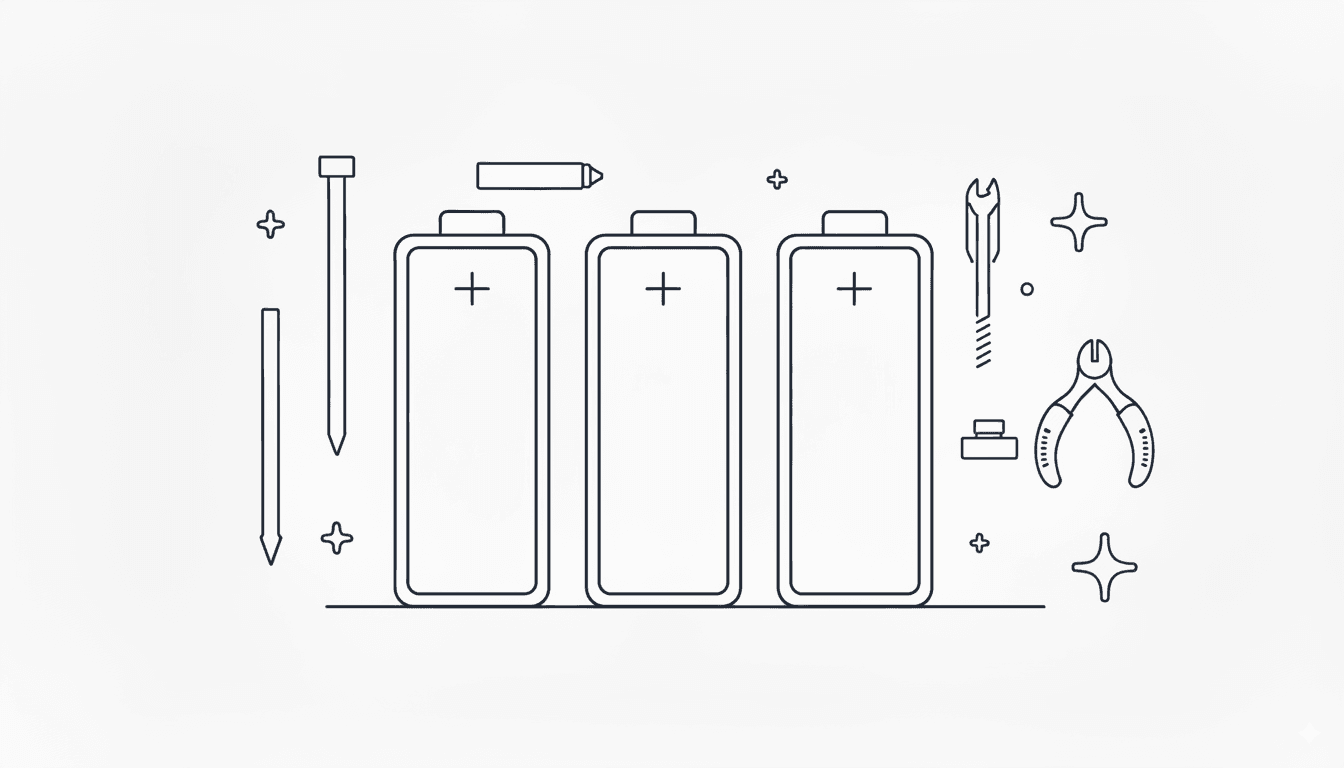
What Are Lithium Batteries?
Think of a battery as a little box that stores electricity, just like how a piggy bank stores coins. Lithium batteries are special types of these electricity storage boxes that use a metal called lithium to work. You probably use lithium batteries every day without even knowing it! They're inside your smartphone, laptop, tablet, and even some toys.
Lithium batteries are amazing because they can store a lot of power in a small space, last a long time, and can be recharged hundreds of times. It's like having a water bottle that never runs out because you can keep refilling it over and over again.
Why Do People Make Their Own Batteries?
You might wonder why someone would want to make their own battery when you can just buy one from a store. Well, there are several good reasons! First, making your own battery pack can save you money, especially if you need a really big one for projects like electric bikes or solar power systems. Second, you can make exactly the size and shape you need for your specific project. Third, it's a fun way to learn how things work, just like building with lego blocks but with electricity.
Some people make DIY (Do It Yourself) lithium battery packs for their electric scooters, camping equipment, backup power for their homes, or science projects. It's like being an inventor in your own garage or workshop.
The Basic Parts You Need
Building a lithium battery pack is like making a sandwich - you need the right ingredients in the right order. The main ingredient is lithium cells, which are like individual batteries that you connect together to make a bigger, more powerful battery pack.
The most common type of lithium cell used in DIY projects is called an 18650 cell. Don't worry about the name it just describes the size. These cells look like thick AA batteries but are a bit bigger. Each cell can store about 3.7 volts of electricity, which is like having a small amount of electrical pressure.
You also need something called a Battery Management System, or BMS for short. Think of the BMS as a smart guard that watches over your battery pack. It makes sure no single cell gets too full or too empty, keeps the temperature just right, and protects everything from electrical problems.
Other important parts include nickel strips (thin metal ribbons that connect the cells together), a spot welder or soldering iron (tools to attach the connections), insulation materials (to keep electrical parts from touching where they shouldn't), and a protective case to hold everything together safely.
How Lithium Batteries Actually Work
Understanding how lithium batteries work is like understanding how a see-saw works on a playground. Inside each battery cell, there are two sides: one called the positive side (marked with a + sign) and one called the negative side (marked with a - sign). Between these sides is a special liquid called electrolyte, which helps electricity move back and forth.
When you use the battery to power something like a flashlight, tiny particles called lithium ions move from one side to the other through the liquid. This movement creates electricity that flows out of the battery and powers your device. When you charge the battery, you're basically pushing those particles back to where they started, getting the battery ready to work again.
It's similar to how water flows downhill to turn a water wheel, except with batteries, it's tiny invisible particles moving around to create the power we need for our electronic devices.
Step-by-Step Building Process
Building a DIY lithium battery pack requires careful planning and patience. First, you need to decide how much power you want your battery pack to have. This depends on what you plan to use it for. A small pack for a flashlight needs much less power than a big pack for an electric bike.
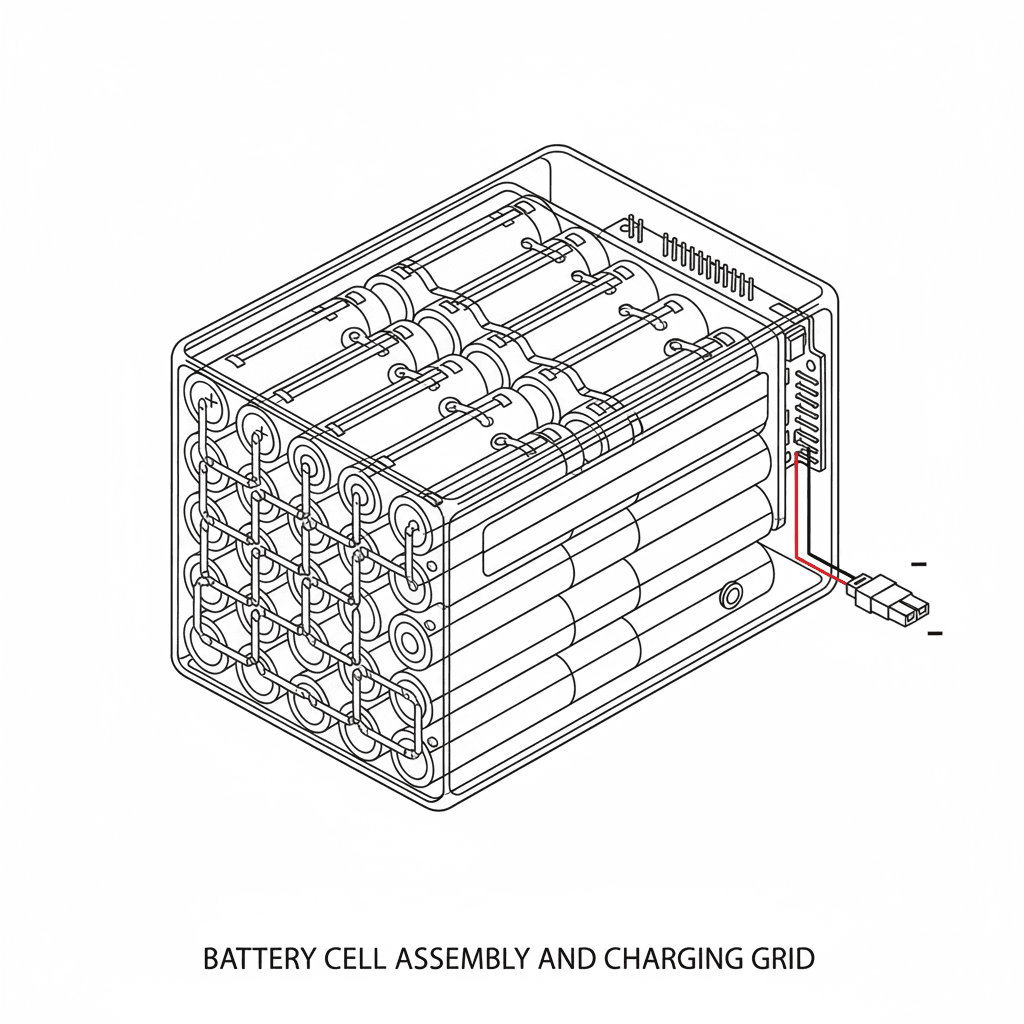
Once you know how much power you need, you calculate how many individual cells to use and how to arrange them. Cells can be connected in two ways: in series (like train,cars connected end-to-end) to increase voltage, or in parallel to increase capacity. Most battery packs use both methods to get the right combination of power and storage.
The actual building process starts with testing each individual cell to make sure it's healthy and working properly. If one cell is bad it can spoil the whole batch. Next, you carefully connect the cells using thin metal strips, making sure all connections are strong and secure. Then you install the BMS system, which gets connected to specific points on your battery pack to monitor everything.
Finally, you wrap everything in protective materials and place it in a sturdy case. The finished battery pack should look neat and professional, with no loose wires or exposed metal parts. Everything should be clean, secure, and safe.
Safety First: Important Rules to Follow
Working with lithium batteries requires following safety rules. Lithium batteries store a lot of energy in a small space, which makes them powerful but also potentially dangerous if not handled properly.
The most important rule is to never work on batteries alone always have an adult present who understands electrical safety. Always wear safety glasses to protect your eyes and work in a clean, well-ventilated area away from anything that could catch fire. Keep a fire extinguisher nearby, just like keeping a first aid kit handy during other activities.
Never short-circuit a battery by touching the positive and negative ends with metal objects. This can cause the battery to get extremely hot, catch fire, or even explode. Always use proper tools and never rush through the process. If a battery gets hot, starts swelling, or smells funny, stop working immediately and move it to a safe location away from anything flammable.
Store your batteries in fireproof containers and never leave them charging unattended. It's also important to dispose of old or damaged batteries properly at recycling centers, not in regular trash.
Tools and Equipment You'll Need
Building DIY lithium battery packs requires some tools like hammers, saws, and measuring tapes. The most important tool is either a spot welder or a good soldering iron. A spot welder is like a very precise stapler that uses electricity to permanently attach metal pieces together. A soldering iron is like a special hot pen that melts metal to create strong connections.
You'll also need a multimeter, which is like a detective tool that measures electricity. It helps you check if your cells are healthy, if your connections are working properly, and if everything is safe. Wire strippers and cutters help you prepare the connecting wires, while heat shrink tubing and electrical tape keep everything insulated and protected.
Other useful tools include a cell tester to check the health of individual batteries, a battery charger designed for lithium cells, and various hand tools like screwdrivers and pliers. Having a clean, organized workspace with good lighting makes the whole process much easier and safer.
Common Mistakes to Avoid
Even experienced builders make mistakes sometimes, but learning about common errors can help you avoid them. One of the biggest mistakes is mixing old and new cells in the same pack. This is like trying to run a race where some runners are fresh while others are already tired , the tired ones slow everyone down and can even get damaged.
Another common mistake is not properly calculating the power requirements for your project. Building a battery pack that's too small , while building one that's too big wastes money and adds unnecessary weight.
Poor connections are also a frequent problem. Loose or weak connections create resistance, which makes the battery work harder and can cause dangerous heating. Everything works harder but less effectively.
Finally, many beginners skip the testing phase or rush through it. Testing each step carefully is very important it helps you catch problems before they become serious issues.
When to Call a Professional
While DIY battery building can be fun and educational, there are times when it's better to ask for help from experts. If you're planning a large project like powering an entire house with solar energy, or if you need batteries for something critical like medical equipment, professional help is definitely worth the investment.
You should also consider professional help if you're not comfortable with electrical work, don't have the proper tools, or if local laws require certified installation for your specific application. Some projects are simply too complex or dangerous for beginners to tackle alone.
Remember, there's no shame in asking for help or buying pre-made battery packs for complex projects. Sometimes the safest and most cost-effective solution is to let experts handle the technical work while you focus on learning and enjoying your project.
Conclusion
Building DIY lithium battery packs can be an exciting and educational experience that teaches you about electricity, engineering, and problem-solving. It takes practice, patience, and attention to safety, but the skills you develop can last a lifetime.
Whether you're interested in renewable energy, electric vehicles, or just want to understand how the devices around you work, building battery packs provides hands-on learning that you can't get from books alone. Start with simple projects, always prioritize safety, and do not be afraid to ask questions or seek help when you need it.
With the right knowledge, tools, and safety practices, you can create custom battery solutions for your projects while learning valuable skills along the way. Just remember that like any powerful technology, lithium batteries deserve respect and careful handling to ensure safe and successful results.
Frequently Asked Questions
1. How long does it take to build a battery pack?
For a beginner, a simple pack might take 4-6 hours spread over a weekend. More complex packs can take several days. Rushing leads to mistakes, so it's better to work carefully and take breaks when needed.
2. Can I use different brands of cells in the same pack?
It's not recommended. Different brands might have slightly different characteristics, like how some people run faster than others. In a battery pack, all cells need to work together as a team. Mixing different brands is like having some team members who are stronger or weaker than others , it doesn't work well and can be unsafe.
3. What's a BMS and do I really need one?
A BMS (Battery Management System) is like a smart monitor for your battery pack. It makes sure no cell gets too full or too empty, prevents overheating, and protects against electrical problems. You absolutely need one for safety - trying to use a lithium battery pack without a BMS is like driving a car without brakes.
4. How do I know how many cells I need for my project?
First, find out how much voltage and power your project needs (usually written on the device or in its manual). Then do simple math, divide the voltage you need by 3.7 (the voltage of one lithium cell) to find how many cells to connect in series. For more power, you can add parallel groups.


