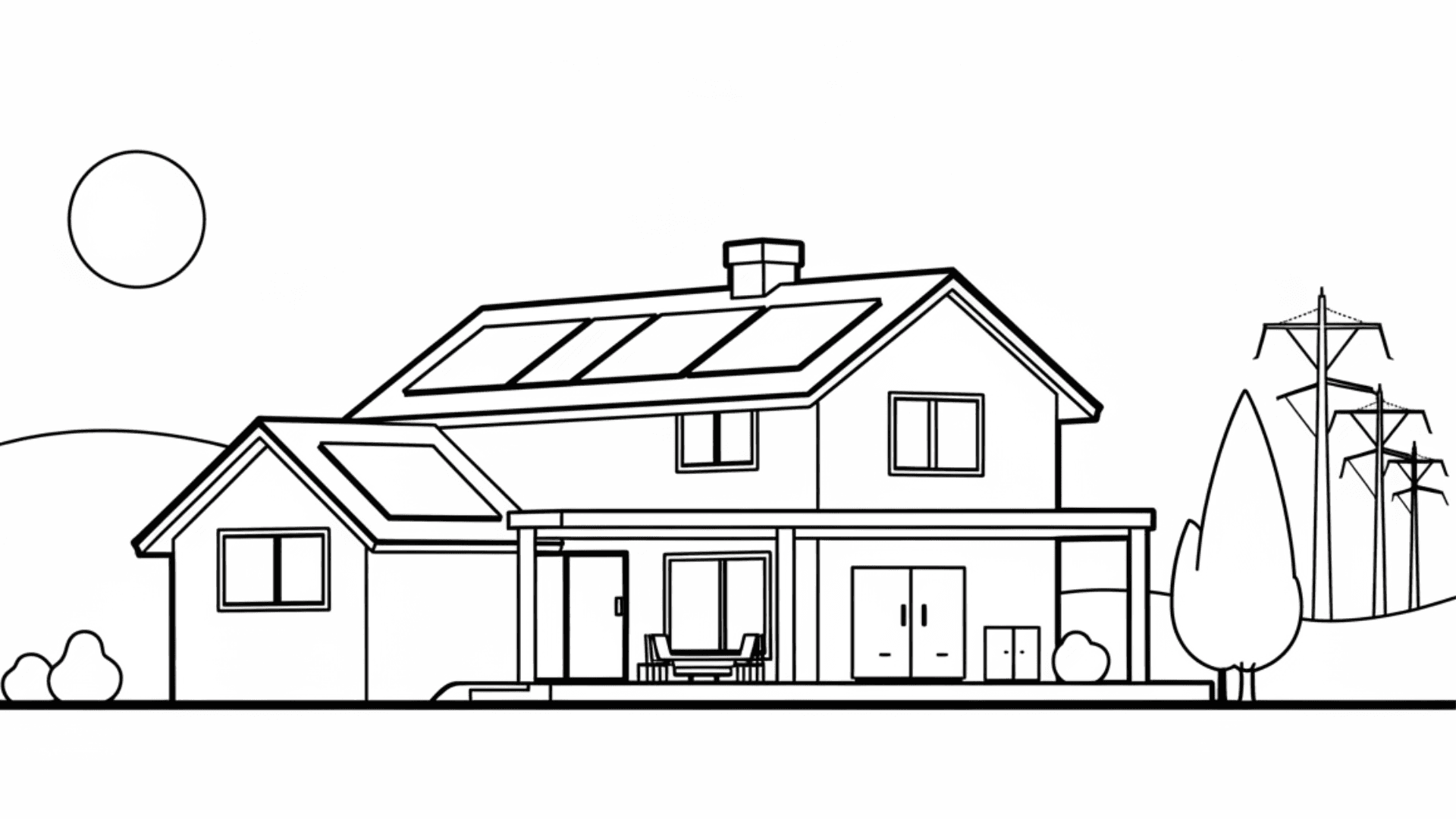
Homeowners and companies are looking for solutions to cut expenses and guarantee a steady supply of electricity as energy, but all we can see is our electricity consumption going higher and higher.
Now, solar is helping us reduce our bills by making sure we take less electricity from the grid, but again, the same problem persists, there is no power generation at night. That’s why energy storage is becoming a promising option. Therefore, let's examine the long-term advantages and economic features of energy storage in this article.
The goal of purchasing an energy storage system is to maximize efficiency and lower overall energy expenses, not only to have backup power. With the development in battery technology nowadays, energy storage is becoming more practical and accessible for both homes and businesses.
Reducing electricity costs is one of the main advantages of energy storage. Many utility companies implement time-of-use (TOU) pricing, where electricity costs more during peak demand hours. Energy storage helps to mitigate this by storing the energy when rates are low and using it during peak periods.
Unexpected power outages can seriously disrupt operations, particularly for companies that depend on continuous power. Energy storage makes the switch to backup power smooth and guarantees that vital systems and appliances keep working.
The Need for Seamless Power
A well-sized energy storage system can help homeowners maintain the operation of critical appliances during blackouts. Businesses benefit from constant power availability.
The 5 kWh system from Xbattery is made to supply electricity continuously even in the event of an interruption. It makes sure that houses remain powered for up to a day with its clever backup mode transition, enabling families to carry on with their regular activities uninterrupted. The Xbattery 50 kWh solution guarantees that enterprises' critical operations are not impacted by power outages.
Even though an energy storage system may seem expensive up front, the savings over time frequently exceed the cost. A high return on investment (ROI) is a result of lower energy costs, government subsidies, and greater energy independence.
Financial incentives, including tax credits, rebates, and low-interest loans, are available in many places to encourage the adoption of energy storage. By lowering the payback period, these incentives make battery systems more affordable.
It's like Lego’s, add more if you need more
Scalability is one of the most attractive economic features of contemporary energy storage technologies. Homeowners and businesses can add capacity as per their energy needs. Energy storage is a future-proof investment thanks to its modular design, which guarantees that the system will adapt to variations in electricity usage without requiring expensive replacements.
The modular nature of Xbattery's energy storage solutions makes it simple for customers to grow their systems. Businesses can use the 50kWh model for large-scale operations, while homeowners can start with a 5kWh battery and add more as their energy needs increase.
Investing in energy storage for commercial buildings promotes business continuity in addition to cost savings. Equipment damage, lost revenue, and inefficient operations can all result from power outages. Businesses can remain operational even during prolonged outages with the help of a high-capacity energy storage system.
Businesses that use energy storage can also take part in demand response programs, which offer rewards for cutting back on electricity use during peak hours. This makes investments in energy storage even more financially viable.
Global Importance
Governments worldwide are recognizing the importance of energy storage in ensuring grid stability and promoting renewable energy adoption.
Due to state-level incentives in California, New York, and Texas, as well as legislation like the Inflation Reduction Act (IRA), the energy storage sector in the United States has lately witnessed record deployments. In order to lower demand charges and guarantee energy resilience during outages, businesses are investing in storage. Rapid growth is also being seen in Australia, where rooftop solar adoption is at all-time highs.
Recently, the Ministry of Power (MoP) in India has mandated that all Renewable Energy Implementing Agencies (REIAs) and state utilities incorporate a minimum two-hour co-located energy storage system equivalent to 10% of the installed solar capacity in all solar tenders. This mandate aims to address intermittency issues and provide critical support during peak demand hours. If successfully implemented, this policy could drive the installation of approximately 14 GW/28 GWh of energy storage by 2030, making energy storage an integral part of the renewable energy landscape.
Frequently Asked Questions:
1. Are energy storage systems financially viable?
Yes, despite high upfront costs, energy storage offers strong ROI through reduced energy bills, government incentives like tax credits and rebates, and greater energy independence.
2. What makes modern energy storage systems scalable?
Energy storage systems have modular designs like building blocks, allowing homeowners and businesses to start small and add capacity as their energy needs grow without costly replacements.
3. What government incentives support energy storage adoption?
Many regions offer tax credits, rebates, and low-interest loans to encourage energy storage adoption, significantly reducing the payback period and making systems more affordable.
4. What is India's recent energy storage mandate?
India's Ministry of Power mandates all solar tenders include a minimum two-hour energy storage system equivalent to 10% of installed solar capacity to address intermittency and support peak demand.
5. Which countries are leading in energy storage deployment?
The United States (driven by the Inflation Reduction Act), Australia (with high rooftop solar adoption), and India (with new storage mandates) are experiencing rapid energy storage growth.


