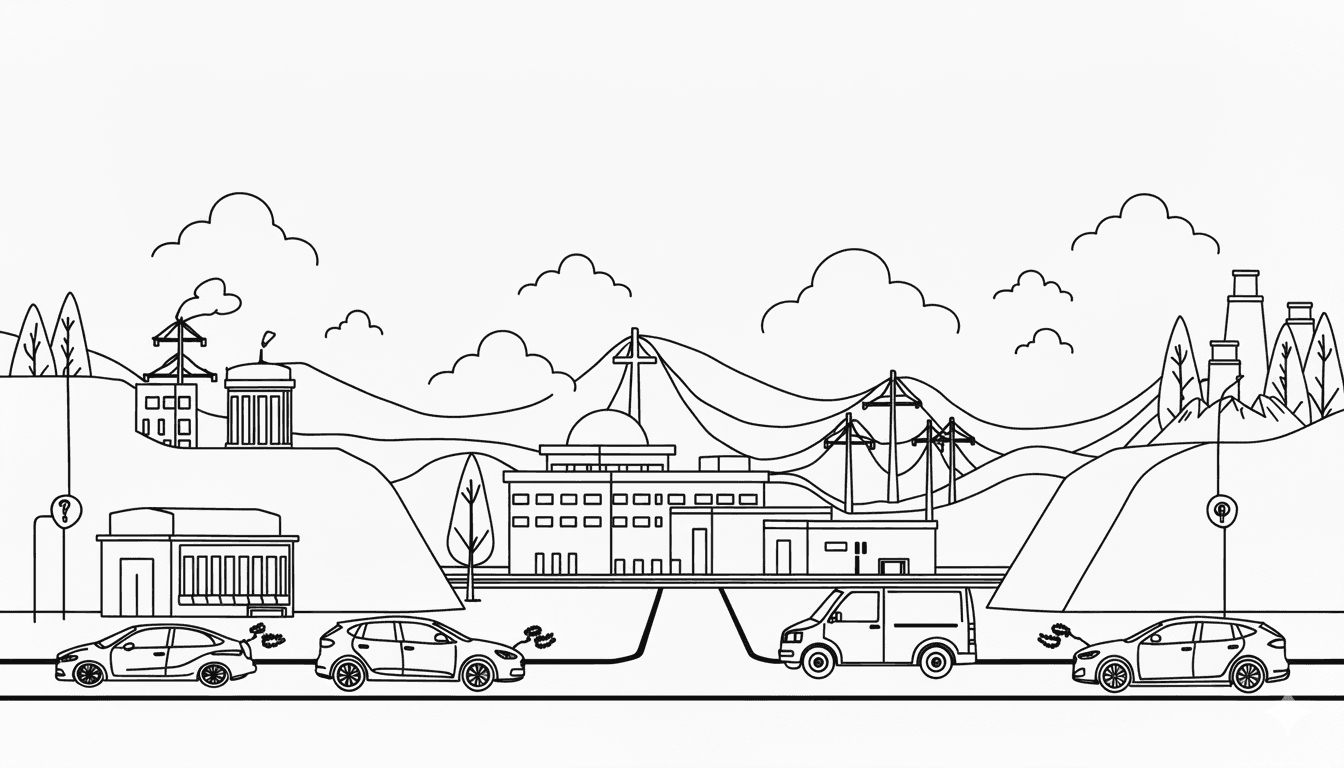
Electric vehicles (EVs) are becoming a symbol of a cleaner, more sustainable economy in today's world. As governments around the world set goals to lower carbon emissions and get rid of gas and diesel cars, electric vehicles are becoming increasingly attractive to customers.
The Benefits of EVs
No Tailpipe Emissions
The main advantage of electrically powered vehicles is that they do not emit any exhaust. Electric vehicles (EVs) don't release greenhouse gases while they're moving around, unlike gasoline and diesel vehicles, which do.
This improves the quality of the air, especially in cities with a lot of people, where car emissions cause breathing problems and other health problems. This is especially true in the National Capital Territory of Delhi, where detrimental air quality is a constant problem. The new Delhi EV Policy, which went into effect recently, aims to cut down on air pollution in order to eradicate this problem.
Less Noise
One additional favorable advantage about electric cars is that they don't make any noise. Electric vehicles (EVs) use electric motors instead of internal combustion engines. This makes them much quieter, especially at moderate speeds.
More Efficient
Compared to cars that run on gasoline or diesel, electric cars are better at employing energy. A regular gasoline engine turns only 16–25% of the fuel's energy into motion, while the rest is lost as heat and friction. Electric vehicles (EVs), on the other hand, only use 65 to 69 percent of their battery power to move, which means they waste a lot less energy.
This not only uses less energy, but it also means that electric cars made from renewable energy source might not hurt the environment as much.
The Environmental Challenges
Electric cars have substantial advantages, but when you consider the whole life cycle, from making them to discarding them away, there are real concerns about how environmentally friendly they are.
High Emissions During Production
It takes an enormous amount of energy to make a vehicle that is electric, especially for its battery. Making a vehicle powered by electricity usually releases more CO2 than making a gasoline car, which is what you might think. Lithium-ion batteries need rare elements like lithium, cobalt, and nickel, which is what this is mostly about. It takes a long time to mine and process these elements.
EV batteries can last for 10 to 15 years, but they won't last forever. When they die, it becomes much harder to recycle and throw things away. It's hard to get rid of big lithium-ion batteries, and if they aren't handled correctly, they can be dangerous trash.
But the circumstances are still getting better with technology. More and more, manufacturers are using recycled materials and eco-friendly ways to make electric vehicles to cut down on the pollution that comes from making them.
The battery recycling industry is growing, which is a good thing. Repurposing EV batteries for other uses, such as energy storage systems, is a good option. These "second-life" batteries can help the electrical system during times of high demand and also help store renewable energy from solar and wind sources.
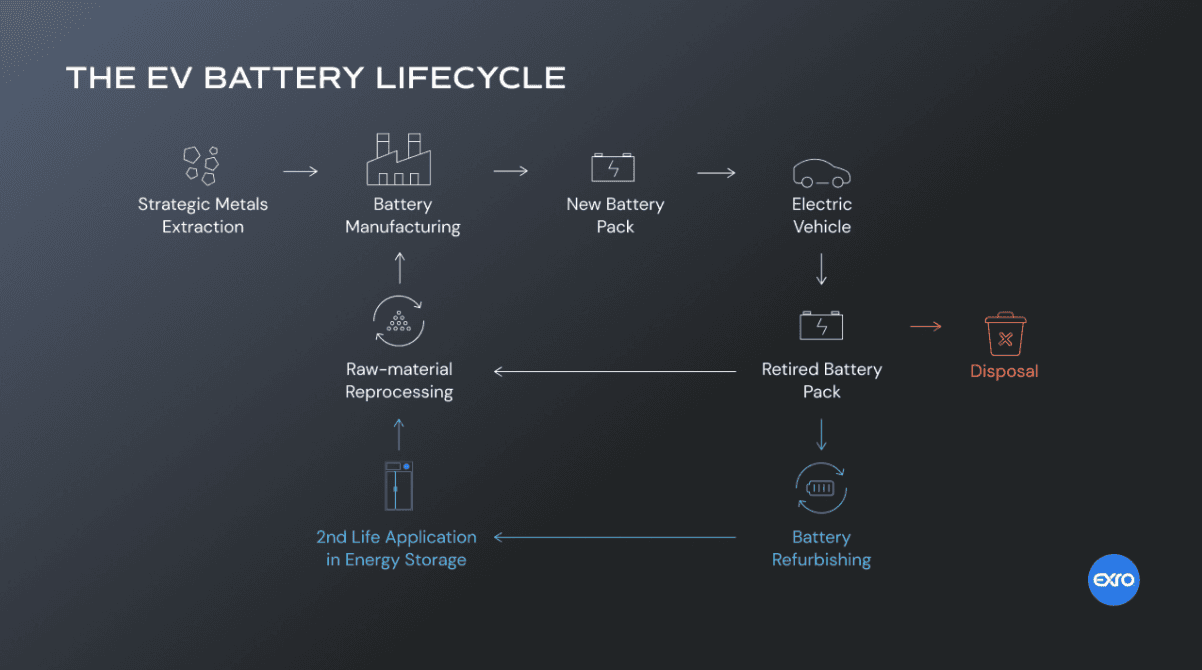
Source: Exro Technologies
Additionally, new technologies like Vehicle-to-Home (V2H) systems are beginning to use EV batteries to power homes.
Mining
Getting the materials needed for electric cars causes a lot of damage to the environment. It can cause a lot of pollution to mine and refine lithium, cobalt, and nickel. Using harmful chemicals like hydrochloric acid in the extraction process can pollute nearby ecosystems and soil, which can hurt crops and water supplies.
The effects of mining on society are more important. The Democratic Republic of the Congo, which is one of the world's biggest sources of cobalt, has been linked to human rights abuses related to mining.
The growing demand for electric cars drives up the need for these "clean energy" elements, which is a worrying gap between ethical sourcing and environmental goals.
Fires
Despite the safety of electric vehicles (EVs), numerous instances of EV fires have occurred worldwide, attributed to thermal runaway---a phenomenon characterized by the uncontrollable rise in temperature of a battery cell, which generates heat and may lead to a fire due to internal or external factors.
Due to the prolonged cooling period of their lithium-ion batteries and the associated risk of reignition, extinguishing EV fires is problematic. Over 100 chemicals, including heavy metals, carbon monoxide, and fire retardants, are released during an electric vehicle fire, therefore prolonging firefighters' exposure to toxins for extended periods.
Frequently Asked Questions:
1. Are electric vehicles better for the environment than petrol or diesel cars?
Yes, electric vehicles produce no tailpipe emissions and are more energy-efficient, making them better for air quality and climate change in the long run.
2. Do electric vehicles have any negative environmental impacts?
Yes, EVs can have environmental drawbacks such as high emissions during battery production, mining pollution, and challenges with battery disposal.
3. How long do EV batteries last?
EV batteries typically last 10 to 15 years, but their end-of-life disposal and recycling remain important environmental concerns.
4. What are the environmental risks of mining for EV battery materials?
Mining lithium, cobalt, and nickel can cause pollution, habitat damage, and in some regions, human rights issues related to unethical labor practices.
5. Can EV batteries be reused or recycled?
Yes. EV batteries can be recycled or repurposed for energy storage systems, reducing waste and supporting the transition to renewable energy.


