
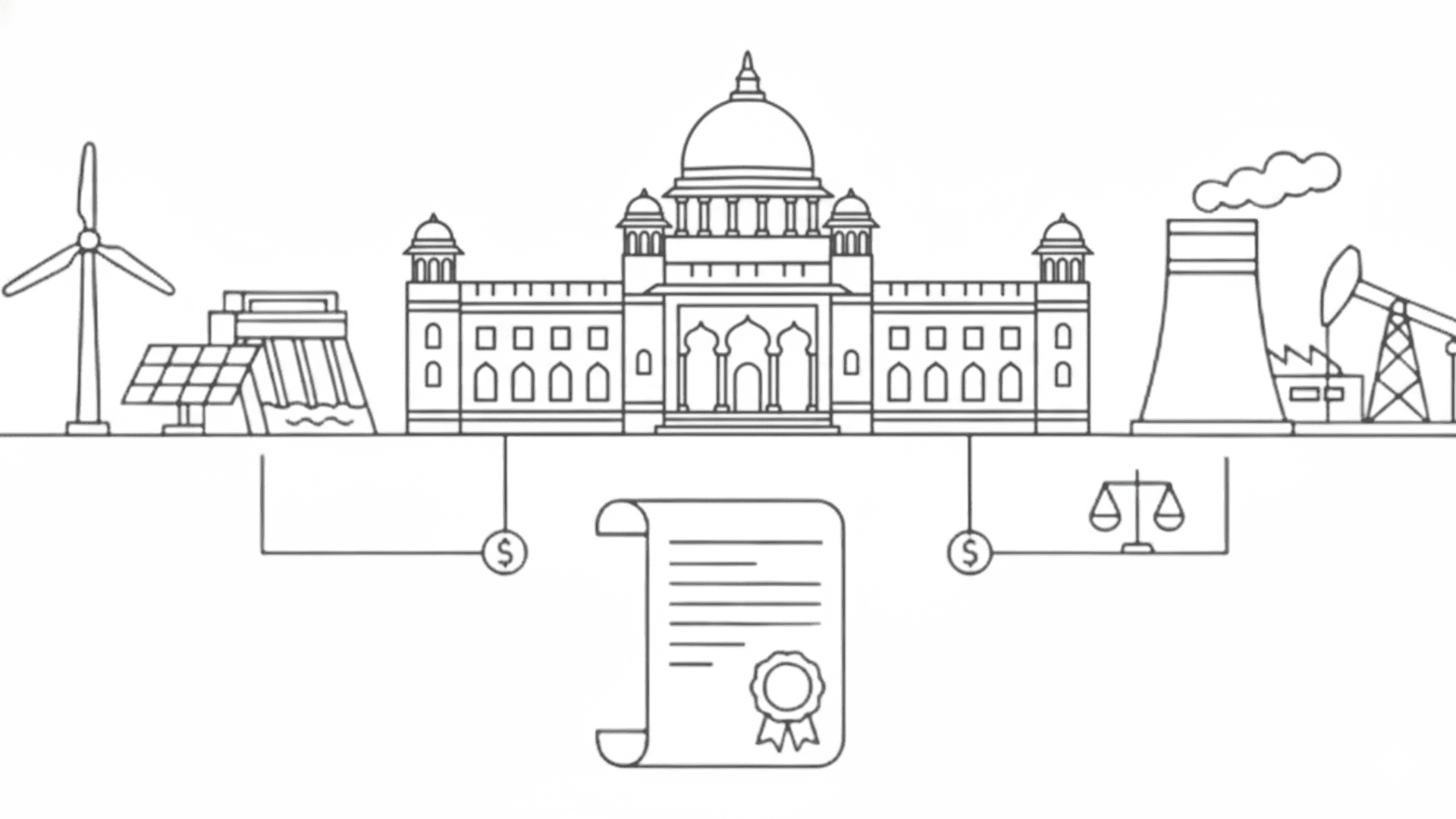
Energy policy, along with regulation, creates the fundamental system through which countries handle their power generation, distribution, and consumption activities. The established systems determine how electrical power costs and environmental protection requirements function. The energy sector would lack proper guidance and sustainability because of the lack of clear policies.
The worldwide governments establish energy policies that aim to achieve economic growth alongside environmental protection. The regulations enable energy companies to work safely while delivering essential services to the public. The right combination of these three elements determines how we generate power for our houses and commercial facilities, and vehicles.
Importance of Energy Policy in Modern Economies
All modern activities in manufacturing, healthcare, and education depend on energy to function. Stable economic performance and market competitiveness result from strong energy policies in nations. The established policies create investment opportunities for infrastructure development, which leads to job creation throughout different economic sectors.
Reliable energy access directly correlates with quality of life and economic development. Developing nations often prioritize energy policy to lift populations out of poverty. Developed nations actively work to install sustainable power systems that maintain stable electrical grid operations.
The energy policies help consumers by protecting them from price changes and market manipulation. The regulations protect against monopolistic behavior by creating systems that establish fair market prices. The defense system provides vital protection during periods when international relations become unstable or when supply chains face interruptions.
How Regulations Influence the Energy Sector
The operation and competition of energy companies depend on rules that are established by regulations. The organizations create safety requirements that apply to power plants and pipelines, and electrical grids. The standards protect workers and communities, and the environment from all dangers that might occur.
Market regulations establish the procedures that control the exchange of electricity and natural gas in buying and selling activities. The system functions to create competitive markets or defend existing monopoly structures based on local requirements. The regulatory method produces direct effects on both the expenses that consumers need to pay and the level of service quality they get.
The energy industry needs to adopt clean technology because environmental regulations require it. The industry receives innovation through two major regulatory systems, which include emission limits and renewable energy requirements. Organizations need to change their business methods to meet current standards; otherwise, they will receive fines.
Key Objectives of Energy Policies
Modern energy policies work to achieve multiple goals, which need precise handling to maintain equilibrium. The decision makers need to balance between solving current problems and building a sustainable future. The objectives control decision-making processes that function at local, national, and international levels.
1. Ensuring Energy Security
Energy security means having reliable access to affordable power supplies. Nations build different energy systems to break free from their current sources and external dependencies. The business operations get protected against supply chain interruptions and sudden price changes through diversification.
Emergencies benefit from the protective capabilities of strategic petroleum reserves and natural gas storage facilities. The government invests in local energy production to lower its exposure to external threats. Energy security policies focus on two main areas, which include infrastructure protection and international partnerships.
The protection of energy systems depends on grid resilience, which serves as a vital element of national defense. Modern threats consist of three major dangers, which include cyberattacks and extreme weather events, plus deteriorating infrastructure systems. The current regulations solve these problems by using improved systems and backup planning methods.
2. Promoting Renewable Energy Adoption
The government employs different policy instruments to speed up renewable energy implementation. Solar and wind power producers get guaranteed prices through feed-in tariffs. Utilities need to fulfill renewable portfolio standards, which mandate them to obtain specific amounts of clean energy.
The initial expenses of renewable energy projects become lower through the combination of tax credits and grants. The presented incentives function to help people obtain solar panels, wind turbines, and battery storage solutions. Many countries also streamline permitting processes for renewable installations.
Net metering policies allow homeowners to sell excess solar power back to the grid. The financial incentives emerge from this system for distributed generation systems. These policies have turned millions of consumers into energy producers.
3. Reducing Carbon Emissions
Carbon pricing mechanisms help determine the payment system for the environmental damage caused by different pollutants. The cap-and-trade system creates emission caps. These caps enable businesses to trade emission permits with one another. The government charges a set fee for each unit of greenhouse gas emissions that companies produce.
The implementation of emissions standards for power plants results in the obligation to shut down older power plants, which generate high pollution levels. The government requires companies to use pollution control systems or change their fuel sources. These trade initiatives have shown a dramatic decrease in air pollution in several areas.
International agreements like the Paris Accord set national emissions reduction targets. These commitments are met by creating domestic policies. You can ensure accountability by tracking progress and reporting the requirements.
4. Encouraging Energy Efficiency
The construction industry now follows strict energy efficiency standards, which require new buildings to meet these standards. The implementation of appliance standards, together with lighting and heating system standards, helps reduce unnecessary power usage. The regulations reduce total power consumption, saving consumers.
Industrial energy efficiency programs help reduce waste production, enabling cost savings. Organizations can find the possibilities of equipment upgrade with the audit processes. These initiatives are supported by technical support and funding from governmental programs.
Transportation policies set the fuel requirements of the vehicles. These standards need to be followed. The government provides clean transportation through electric vehicle incentives and infrastructure development for charging stations. The reduction of energy use per person in public transit systems results from improvements made in these systems.
5. Supporting Energy Access and Affordability
Universal energy access is still a policy priority in many developing regions. Rural electrification programs help extend the connections through grids in underserved communities. Where the traditional infrastructure fails, off-grid solar plants are used to provide power.
Low-income assistance programs help vulnerable populations afford basic energy services. The rate systems include basic consumption tariffs, which apply to low usage amounts. The program offers financial support to help low-income families reduce their heating and cooling expenses.
The affordability policies for energy need to protect customers while ensuring utilities maintain their financial stability. The regulatory body analyzes rate requests to determine if they follow acceptable standards and provide proper explanations. The oversight system prevents excessive profit-making, which enables necessary investments in infrastructure development.
Types of Energy Regulations
The energy regulations exist in various forms, which perform distinct functions. Stakeholders can use regulatory understanding to find their way through the complex system of rules. Different regions select particular regulatory methods to implement based on their own preferences.
1. Environmental Regulations
Environmental laws restrict pollution that comes from energy production activities and energy consumption activities. The air quality standards set limits on sulfur dioxide, nitrogen oxides, and particulate matter emissions. Water regulations establish protective measures to defend rivers and lakes from both thermal pollution and chemical contamination.
Hazardous waste rules govern the disposal of coal ash, nuclear materials, and other byproducts. Major projects can’t begin work without having environmental impact assessments.
Wildlife protection laws create restrictions on the construction of energy facilities. To build wind farms, it is important to study the migration paths of birds and the distribution of the bat population. The hydroelectric dam operations affect the fish reproduction and natural river habitats.
2. Market and Pricing Regulations
The electricity market operates either as a regulated monopoly or as a competitive wholesale system. Utilities obtain guaranteed returns on their approved investments through regulatory systems. The market system enables generators to set their prices through bidding, which leads to cost-based dispatch operations.
Natural gas markets exhibit greater competitive activity than electricity markets. The rules governing pipeline access ensure equal transportation opportunities for all suppliers. Storage regulations stop market manipulation during peak times.
Retail choice programs provide customers with an opportunity to choose their preferred energy supplier, aimed at lowering prices. The systems need constant monitoring to stop predatory behavior and to keep service operations running smoothly.
3. Safety and Technical Standards
Power plants need to strictly follow the safety standards during their design and operations. Nuclear facilities must follow radiation protection standards. Regular inspections serve to confirm compliance status and detect emerging safety risks.
The electrical grid standards establish both equipment compatibility and system stability. The system needs to keep the voltage and frequency within the acceptable ranges. Protective relay systems stop system failures from spreading to other parts of the system during disturbances.
The main function of pipeline integrity management programs is to stop pipeline leaks and explosions. The infrastructure needs regular inspections, tests, and repairs by operators. The construction process requires specific materials and welding methods.
4. Incentives and Subsidies for Clean Energy
Production tax credits reward each kilowatt-hour generated from renewable sources. Investment tax credits reduce the capital cost of clean energy projects. The incentives brought major cost reductions to renewable energy systems during the last ten years.
Developers need loan guarantees to get funding for their new technology projects. The government procurement system enables new products to enter the market during their initial launch period. Research and development funding backs the creation of breakthrough innovations.
Accelerated depreciation allows faster recovery of clean energy investments. Property tax exemptions reduce ongoing costs for renewable facilities. Some regions offer sales tax exemptions for renewable energy equipment.
Global Energy Policy Landscape
The selection of energy policies depends on regional resource availability and strategic objectives. Developed nations focus their efforts on two main objectives, which include reducing carbon emissions and enhancing energy efficiency. Developing countries strive to achieve economic development while maintaining environmental protection standards.
1. European Union Energy Policies
The European Union’s energy policy system makes it the leading force in the global battle against climate change. The European Green Deal aims to reach carbon neutrality by 2050. The transformation results from two main elements:
1. Renewable energy targets
2. Efficiency standards
The EU Emissions Trading System establishes a trading system for carbon emissions between member states. The cap-and-trade system operates on power generation facilities and heavy industrial operations. The financial decisions of various economic sectors depend on the carbon price level.
Energy union initiatives promote two main objectives, which include grid integration and cross-border electricity trade. Establishing common standards enables the creation of a unified energy market. However, individual countries retain some control over their energy mix.
2. United States Energy Framework
US energy policy is like a federal system, creating different rules for different states. The laws of some states are based on aggressive renewable energy goals, while others focus on protecting fossil fuel industries. The system creates multiple obstacles and opportunities for innovation because of its complexity.
Federal tax credits support the deployment of wind and solar nationwide. The vehicle fuel economy standards help decrease the transmission of the transportation sector. The Infrastructure Investment and Jobs Act provides funding for grid modernization activities that create clean energy systems.
State renewable portfolio standards have been highly effective at driving deployment. The states of California and New York, together with various others, lead nationwide climate policy development. The wholesale electricity market operation across multiple states requires coordination through regional transmission organizations.
3. China's Energy Transition
China is the world’s largest investor in renewable energy. Government policies enable the construction of large solar and wind power facilities. The country now manufactures most of the world's solar panels and batteries.
Coal is still the primary source of electricity generation in China. The government plans to reach peak carbon emissions before 2030. They are working towards complete carbon neutrality by 2060. The government uses regional pilot programs to test the pricing of carbon and develop market-based solutions.
China’s mandatory EV regulations are making it the world’s leading electric vehicle market. To deploy charging infrastructure, substantial backing is provided by the government. The national government has established battery technology development as its top priority.
4. Developing Nation Approaches
The main focus of developing nations remains on gaining access to energy rather than protecting the environment. The expansion of electricity supply needs affordable solutions, which coal and natural gas can deliver. The calculation process experiences changes because renewable energy costs have started to decrease.
International climate finance supports developing countries in implementing environmentally friendly technologies. The Green Climate Fund, along with other funding mechanisms, provides financial support through grants and loans. Organizations use technology transfer agreements to exchange their knowledge with each other.
Distributed renewable energy systems let developing nations bypass the need to build conventional infrastructure. The solar home system provides power to off-grid areas by using its own power system. The method results in lower expenses when compared to the construction of transmission lines.
5. Energy Regulation in Emerging Economies
Emerging economies need to establish proper energy regulations to solve their distinct problems. Fast economic expansion creates problems for current infrastructure systems, while consumers require more power. The regulatory system needs to protect public interests, but this also requires attracting new investments.
Building Regulatory Capacity
The emerging economies face two main challenges, which include insufficient energy regulatory experience and inadequate technical knowledge. International organizations provide both training programs and institutional support to their members. Regulators use peer learning networks to exchange their most effective regulatory methods.
Independent regulatory agencies operate to keep political interference away from their energy decision-making processes. The process of transparency enables public trust development as well as investor confidence enhancement. Establishing true independence faces political resistance at every stage of the process.
Data collection and analysis capabilities need strengthening in many countries. Accurate information supports evidence-based policymaking. Smart meter deployment and digital systems improve regulatory oversight.
Balancing Growth and Sustainability
The emerging economies need to increase their energy availability while they must prevent becoming dependent on carbon-based systems. The implementation of renewable energy policies does not interfere with the achievement of development objectives. The process of integrated resource planning determines the best combination of technologies through analysis.
The main goal of industrial policy is the growth of domestic manufacturing. But it contradicts the cost-saving goals. Local content requirements are creating new job opportunities, but are also increasing the total project expenses. The process finds the optimal solution by doing a thorough evaluation.
The political environment makes it difficult to change energy subsidies, but the process remains essential for economic reasons. The government funds wasteful activities because it uses public money to support fossil fuel programs. The selected method for poverty assistance proves more effective than distributing subsidies to all citizens.
Attracting Private Investment
In emerging markets, investment security is created by stable regulatory frameworks. When there is a repeated change in the investment process, there is an increase in capital acquisition.
The companies receive steady incomes through the purchase of power agreements with creditworthy off-takers. For weak finances, government guarantees are required. Managing currency risk creates stable financial operations by enabling foreign investments.
The project development process speeds up because of quicker approval systems and interconnection facilities. The approval process becomes faster, and corruption risks decrease because of one-stop shops. The digital platforms are helping organizations achieve greater transparency and operational efficiency.
Role of Technology and Innovation in Policy Enforcement
Technological progress is evolving the regulatory monitoring process for energy policy enforcement. Digital tools provide system performance metrics and compliance status information instantly. Innovation leads to the development of advanced regulatory methods, which become more effective.
1. Smart Grid and Monitoring Systems
Smart meters provide detailed consumption data to utilities and regulators. This helps optimize the system’s operations, supporting the demand response programs. The system uses real-time monitoring to find outages and system issues.
The grid sensors monitor power distribution and equipment status constantly. Advanced analytics systems help detect the maintenance requirements even before the breakdown of the equipment. The verification of infrastructure maintenance by utilities becomes possible for regulators.
Blockchain technology enables users to trade energy directly with each other while monitoring transactions in an open system. The automation of renewable energy certificate markets should become possible through distributed ledger systems. These new technologies remain in their testing phase, but they demonstrate promising results.
2. Remote Sensing and Compliance Verification
Satellite imagery allows authorities to monitor illegal mining and logging operations, which harm energy infrastructure. Drones provide a safer and more cost-effective method to inspect transmission lines and offshore platforms. These tools reduce the need for manual inspections.
Continuous emissions monitoring systems track real-time pollution by power plants. It feeds data directly to regulators. This helps prevent tampering and ensure accuracy. Automated alerts immediately flag potential violations.
Geographic information systems track energy infrastructure together with environmental damage. The regulatory bodies can identify all impacts and locate areas that need attention. The process of spatial analysis enables better facility placement decisions for new infrastructure development.
3. Artificial Intelligence in Regulatory Analysis
Machine learning algorithms use their pattern recognition abilities to identify fraudulent activities and market manipulation. AI systems process vast amounts of trading data faster than human analysts. The system enables market supervision along with consumer protection activities.
Predictive models help regulators anticipate system reliability issues. The combination of weather forecasts with demand patterns enables organizations to allocate their resources more effectively. The tools for scenario planning systems assess policy alternatives through detailed evaluation before actual deployment.
Natural language processing analyzes public comments on proposed regulations. This technology helps regulators understand stakeholder concerns more efficiently. Sentiment analysis reveals areas needing additional explanation or modification.
Impact of Energy Policies on Businesses and Consumers
Energy policies control business operations and home expenses through their direct consequences. The knowledge about these effects enables policymakers to create better regulatory frameworks. Stakeholder engagement functions as a tool to guarantee that policies produce the results that were planned.
1. Business Competitiveness and Costs
Energy-intensive industries closely watch policy developments that affect their costs. The implementation of carbon pricing systems together with environmental regulations creates obstacles for domestic producers to operate successfully in their markets. The implementation of border adjustment systems requires attention because these systems serve to stop carbon leakage.
Renewable energy mandates increase electricity costs in the short term. The contracts provide companies with stable prices, which protect them from market price swings when buying fuel. The financial benefits of clean energy investments become evident when evaluated through extended time periods.
Energy efficiency standards require businesses to buy equipment before they start their operations. The organization achieves these savings by lowering its operational expenses. Organizations reach market dominance through their ability to provide services that go beyond the basic requirements.
2. Consumer Energy Bills
The cost of residential electricity service includes expenses for power generation, delivery, and regulatory fees. The funding for clean energy programs comes from renewable energy surcharges. The funding for low-income assistance programs comes from rate-based financial systems.
Time-of-use pricing systems drive customers to move their consumption patterns toward periods when electricity demand remains low. This method creates demand patterns that need less peak power generation to meet requirements. Smart appliances can automatically respond to price signals.
Energy efficiency programs provide customers with financial rewards through rebate programs when they perform system upgrades. Customers experience decreased expenses as the utility system demand decreases. Weatherization assistance programs provide their main benefits to families who live below the poverty line.
3. Job Creation and Economic Development
The renewable energy industry today stands as the top employment sector globally. The local economy supports installation work, maintenance activities, and manufacturing operations. Training programs are important to develop abilities matching the demands for new job openings.
There are negative effects on the economy and the political environment when the fossil fuel industry workers lose their jobs. The policies of just transition assist workers and communities that experience economic transformations to get through the adjustment period. Workers need to undergo continuous training that teaches about economic growth to create a smooth transition.
The development of energy infrastructure leads to the creation of jobs that require construction and engineering personnel. The implementation of grid modernization projects needs both electricians and technicians to work at the facilities. Ongoing operations and maintenance provide long-term employment opportunities to workers who perform these tasks.
4. Innovation and Market Opportunities
Organizations need policy stability to establish their future technology spending plans. Research and development activities base their funding decisions on renewable energy targets that have been set. Companies that predict policy directions will receive first-mover benefits.
Businesses, together with consumers, can use green finance products to fund their efficiency projects. Energy service companies provide performance-based solutions that start without any initial costs for their clients. The business models presented here create incentive systems that promote energy conservation.
When countries establish similar policy systems, they develop export opportunities. Organizations that learn to handle intricate regulatory systems in domestic markets will achieve worldwide growth. The process of technology transfer becomes easier because international standards create a standardized system.
Future Trends in Energy Policy and Regulation
Energy policy development continues to evolve as it tackles present challenges while taking advantage of new opportunities. The following decades will bring about multiple trends that will determine how regulatory systems develop. The government needs to develop policies that respond to these upcoming changes in the environment.
1. Decarbonization Acceleration
The world has adopted net-zero emissions commitments as a standard practice for environmental responsibility. The government will direct most of its policies toward industries that face difficulties when it comes to reducing their carbon footprint. The government will probably increase its support for carbon capture and storage projects through new regulations.
The regulatory system for hydrogen will evolve as the technology progresses. The market requires three fundamental elements to establish its foundation, which include safety standards, infrastructure requirements, and market rules. Green hydrogen produced with renewable energy will likely receive preferential treatment.
Nature-based solutions may be integrated into energy policy frameworks. The practice of forest conservation, together with restoration activities, functions as a method to counterbalance the remaining carbon emissions. The regulatory system needs to establish methods for detecting and recognizing these activities.
2. Grid Modernization and Flexibility
The power grid needs new management systems to handle distributed generation systems, which enable two-way power flow. Regulations need to create rules that handle the dual role of prosumers who use electricity while generating their own power. The current interconnection standards require modernization to handle upcoming technological advancements.
Energy storage regulations lag behind technological advancements. The storage benefits the grid. There must be modifications in market rules for proper compensation of flexibility services.
Virtual power plants function to unite distributed resources, delivering grid services. These business models operate on regulatory frameworks. The shift toward digital grids makes cybersecurity standards essential for their operation.
3. Electrification of Transportation and Heating
The technology Vehicle-to-grid enables electric vehicles to connect with power grids for service provision. The implementation of bidirectional charging technology needs to be managed through new standards and payment systems. The planning of utility systems should include the electrification of transportation as a key factor.
The policies for building electrification favor the use of heat pumps instead of traditional fossil fuel heating systems. The transition of customers to alternative energy sources disrupts the operational structure of gas utility businesses. The regulatory bodies should establish plans for stranded assets during the transition process.
The deployment of charging infrastructure needs utilities to work together with private operators. The rate design system needs to direct customers toward charging their vehicles during times when the power grid operates at its best. The system ensures that every community will achieve equal distribution of benefits.
4. International Policy Coordination
The process of cross-border electricity trade depends on standardizing both technical systems and market operations. The integration of regions enables the renewable distribution of energy between different regions.
Climate clubs may impose border carbon adjustments on imports. These policies level the playing field for domestic producers. The details of implementation will be established through international negotiations.
Earlier, the technology standards were managed by the countries, but today they are being led by international organizations. The common approaches reduce the expenses, enabling the effective functioning of global supply chains. Nations maintain control over technology development through their pursuit of technological independence.
Conclusion
The way of handling the energy policy and regulatory system paves the path toward sustainability. Well-structured frameworks are important for economic progress and environmental protection. These systems create market stability for investors while maintaining protection for consumers.
There is a dramatic change in speed in the worldwide energy sector. This dramatic reduction in renewable energy expenses makes clean power systems an affordable choice for power generation. There must be a correlation change in policies with the technological advancements and new climate research findings.
Effective energy regulation needs three essential elements, which include technical expertise, political will, and public support. The policy development process benefits from stakeholder engagement because it brings together various perspectives. Regulatory institutions gain public trust through their combination of transparency with accountability systems.
The path to a sustainable energy future depends on smart policy choices today. Countries that lead in clean energy innovation will enjoy economic advantages tomorrow. Our world will continue to be shaped by energy policy and regulation for many generations ahead.
Frequently Asked Questions
1. What are the latest trends in global energy regulation?
The latest trends in global energy regulation are:
1. Renewable deployment
2. Grid modernization
3. Carbon pricing
4. Transport electrification
5. International coordination
2. How do renewable energy policies affect electricity prices?
Renewable energy policies can initially raise the prices, but they provide stability and low costs in long-term.
3. What role do governments play in energy market regulation?
Setting safety standards, managing environmental impacts, ensuring fair competition, and protecting consumers.
4. How can businesses prepare for changing energy regulations?
Monitor policy developments, invest in efficiency, diversify energy sources, and engage in policy processes.
5. What is the connection between energy policy and climate change?
Energy policy reduces emissions through renewable promotion, efficiency standards, carbon pricing, and fossil fuel phase-outs.