Introduction - Learning About Grid Codes
What Are Grid Codes?
When you attempt to plug a European device into an American outlet, you understand the basic concept behind grid codes. Just as different countries have different electrical standards for household appliances, power grids have specific technical requirements that energy storage systems must meet to connect safely and effectively.
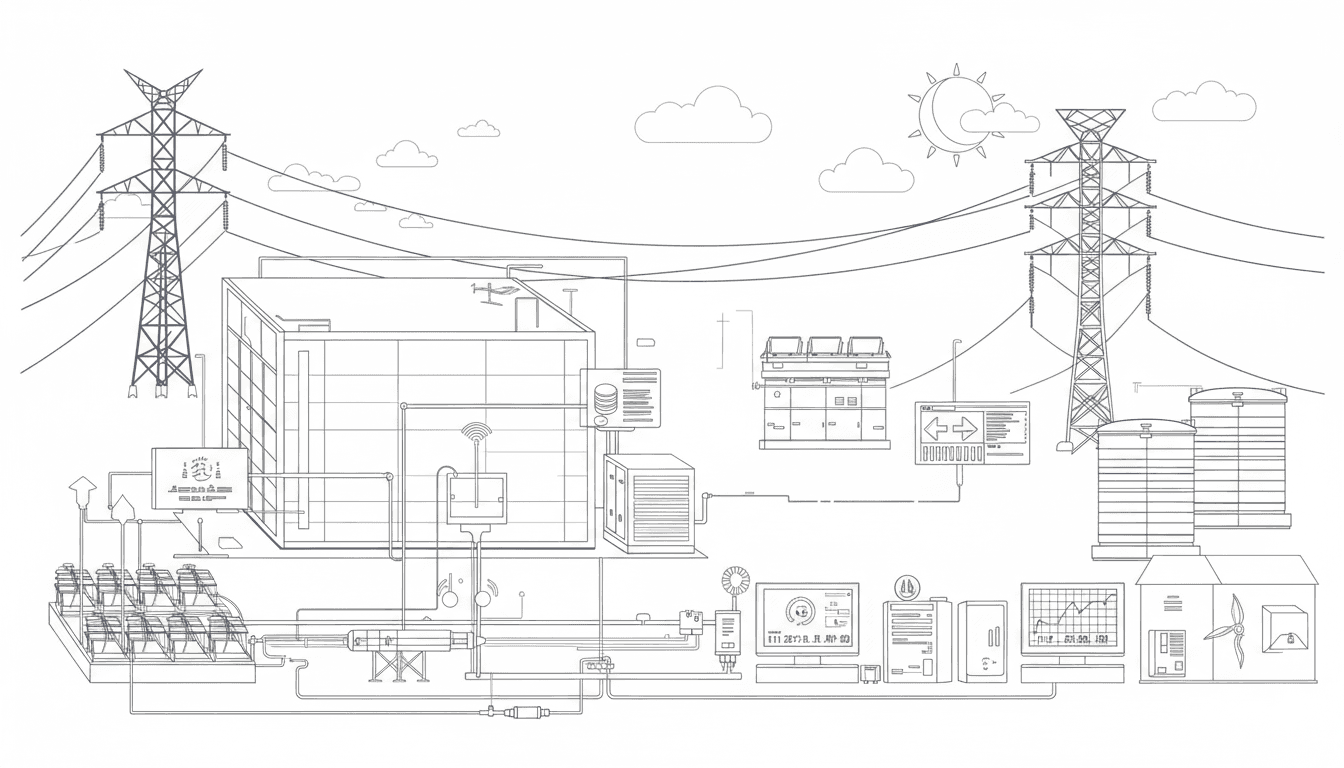
Grid codes are comprehensive technical standards that define how energy storage systems interact with the electrical grid. They are not suggestions or guidelines – they are mandatory requirements that determine whether your project can actually connect to the grid and generate revenue.
Think of them as the technical rulebook for playing in the electricity market. Without compliance, your energy storage project is essentially a very expensive paperweight.
Why Are Grid Code Requirements Important for Energy Storage Projects?
The electrical grid is one of the most complex machines ever built, with thousands of generators, transmission lines, and loads all working together in real-time. When you add energy storage systems to this mix, they need to integrate seamlessly without disrupting this delicate balance.
Grid codes ensure that energy storage systems contribute positively to grid stability rather than creating problems. They cover everything from voltage regulation to cybersecurity, establishing the minimum performance standards that keep the lights on for everyone.
Why Grid Codes Matter for Developers - The Six Big Reasons
Ensures Legal Compliance - Following the Law
Grid codes are not optional – they are legally binding requirements. I have seen developers spend millions on projects only to discover they cannot connect to the grid because they misunderstood a technical requirement buried on page 47 of a 200-page document.
In 2023, several major energy storage projects in different regions faced significant delays because developers assumed they could apply for grid code variances after construction began. That assumption cost them months of revenue and strained relationships with investors.
Protects Safety - Keeping Everyone Safe
Energy storage systems contain massive amounts of electrical energy. When something goes wrong, the consequences can be catastrophic. Grid codes include detailed safety requirements that protect both workers and the public from electrical hazards, fires, and equipment failures.
The safety standards are not just about protecting people during normal operations – they also address what happens during emergencies, natural disasters, and equipment malfunctions.
Improves System Reliability - Making Sure Electricity Always Works
The electrical grid operates on razor-thin margins. When demand suddenly spikes or a power plant unexpectedly goes offline, energy storage systems following proper grid codes can respond instantly to maintain stability.
This reliability is not just theoretical. During the Texas winter storm in 2021, properly configured energy storage systems helped prevent even more widespread blackouts by responding to grid emergencies within seconds.
Avoids Penalties and Delays - Staying Out of Trouble
Non-compliance penalties can be financially devastating. I know of one project in Europe that faced €2 million in fines because their system caused voltage fluctuations that affected neighbouring industrial facilities. The irony? They could have avoided the entire situation with a $50,000 upgrade to their control system.
Beyond fines, grid code issues can delay project commissioning for months, turning profitable projects into financial disasters as construction loans continue accruing interest.
Boosts Investor Confidence - Getting People to Trust and Fund Projects
Investors have learned to scrutinize grid code compliance carefully. Projects with questionable compliance strategies struggle to secure financing, while developers with strong track records can often negotiate better terms.
A developer in Australia recently told me that their reputation for grid code excellence helped them secure project financing 30% below market rates, saving millions over the project lifetime.
Facilitates Market Access - Opening Doors to Sell Electricity
Grid code compliance is not just about connecting to the grid – it is about accessing revenue-generating markets. Different electricity markets have varying requirements, and comprehensive grid code compliance opens doors to multiple revenue streams.
In Texas, for example, energy storage systems that meet enhanced grid codes can participate in energy, ancillary services, and capacity markets simultaneously, potentially doubling their revenue compared to basic compliance.
Key Grid Code Requirements for Energy Storage - The Four Main Rules
Voltage and Frequency Control - Keeping Electricity Steady
Electrical grids operate within very tight parameters. In most regions, frequency must stay within ±0.5 Hz of nominal, and voltage variations are similarly constrained. Energy storage systems must actively help maintain these parameters by automatically adjusting their power output based on grid conditions.
Modern systems use sophisticated algorithms to provide both fast-responding and long-duration support, essentially acting as shock absorbers for the electrical grid.
Fault Ride-Through Capability - Staying Connected During Problems
When electrical faults occur – such as lightning strikes or equipment failures – energy storage systems must be smart about when to disconnect. Premature disconnection can actually make grid problems worse by removing helpful resources exactly when they are needed most.
Grid codes specify exactly how long systems must stay connected during various types of faults, and what voltage and frequency ranges they must tolerate. These requirements vary significantly by region based on local grid characteristics.
Reactive Power Support - Helping Electricity Flow Better
This is often the most misunderstood requirement. Reactive power does not do useful work itself, but it is essential for maintaining voltage levels and power quality throughout the electrical system.
Energy storage systems must be capable of providing or absorbing reactive power independently of their real power output. This capability is particularly valuable in areas with long transmission lines or high concentrations of renewable energy.
Communication and Monitoring Protocols - Staying Connected and Sharing Information
Modern grid codes require extensive communication capabilities. Energy storage systems must provide real-time data on their operational status, respond to remote control commands, and integrate with utility management systems.
Communication standards vary by region – North America typically uses DNP3, while Europe favors IEC 61850. Getting this wrong can prevent grid connection even if all other requirements are met perfectly.
Regional Variations in Grid Codes - Different Places, Different Rules
Grid codes reflect local electrical system characteristics and regulatory philosophies. European codes emphasize environmental sustainability and cybersecurity, while American standards focus more on market participation and economic efficiency.
The differences can be substantial. A system designed for European grid codes might need significant modifications to work in Australia, where extreme weather resilience requirements and different frequency standards apply.
Successful developers either specialize in specific regions or design flexible platforms that can be adapted to different requirements. The "one size fits all" approach rarely works in this industry.
Developer Challenges and Solutions - Common Problems and How to Fix Them
Grid Codes Keep Changing
The challenge here is real – grid codes evolve as technology advances and new challenges emerge. California updated its interconnection standards three times between 2020 and 2023, each time requiring modifications to existing projects.
Smart developers build flexibility into their designs and maintain strong relationships with standards organizations to get advance notice of potential changes.
Grid Codes Are Complex and Technical
A typical grid code document runs 100-300 pages of dense technical requirements. Misinterpreting even seemingly minor requirements can have major consequences.
The solution is investing in genuine expertise – either hiring experienced professionals or partnering with firms that specialize in grid code compliance. Trying to cut corners here almost always backfires.
Testing and Certification Takes Time and Money
Comprehensive grid code testing can cost hundreds of thousands of dollars and take months to complete. Failed tests mean expensive retesting and potential redesigns.
The key is starting testing early in the development process and using simulation tools to identify potential problems before they become expensive realities.
Future Trends in Grid Code Requirements - What's Coming Next
More Renewable Energy Integration
As grids incorporate more variable renewable energy, grid codes are requiring faster response times and more sophisticated control capabilities from energy storage systems. Some regions now require response times under 150 milliseconds.
Cybersecurity Requirements
Grid codes increasingly include cybersecurity standards as energy storage systems become more connected and potentially vulnerable to cyber attacks. Expect mandatory encryption, access controls, and incident response plans.
Environmental and Social Requirements
New grid codes are beginning to address lifecycle environmental impacts and community benefits, not just technical performance. Battery recycling plans and community impact assessments may soon become standard requirements.
Conclusion
Grid code compliance is not just about meeting minimum requirements – it is about building systems that contribute positively to grid reliability and can adapt to future challenges. The developers who succeed are those who view grid codes as design parameters rather than obstacles.
The energy storage industry is evolving rapidly, but the fundamental principle remains constant: systems that work well with the grid create value for everyone. By mastering grid code requirements, developers do not just avoid problems they position themselves for long-term success in the clean energy transition.
Remember that grid codes exist for good reasons. They protect people, ensure reliability, and enable fair market competition. Developers who embrace this reality and build compliance into their core processes will find themselves with significant competitive advantages.
Frequently Asked Questions
1. What is the purpose of a grid code audit?
A grid code audit is an independent verification that your energy storage system meets all applicable technical requirements. Think of it as a comprehensive inspection that gives utilities and regulators confidence in your system's safety and performance.
2. How do utilities enforce grid compliance?
Utilities use a combination of connection approval processes, ongoing monitoring, financial penalties, and regular inspections. Non-compliance can result in anything from warnings to disconnection from the grid.
3. Are grid codes different for solar-plus-storage?
Yes. Solar-plus-storage systems must meet requirements for both technologies plus additional standards for how they interact. This typically means more complex control systems and enhanced safety measures.
4. Can grid codes affect project financing?
Absolutely. Grid code compliance directly impacts project risk assessment, revenue projections, and insurance requirements. Projects with questionable compliance often face higher financing costs or difficulty securing funding at all.


