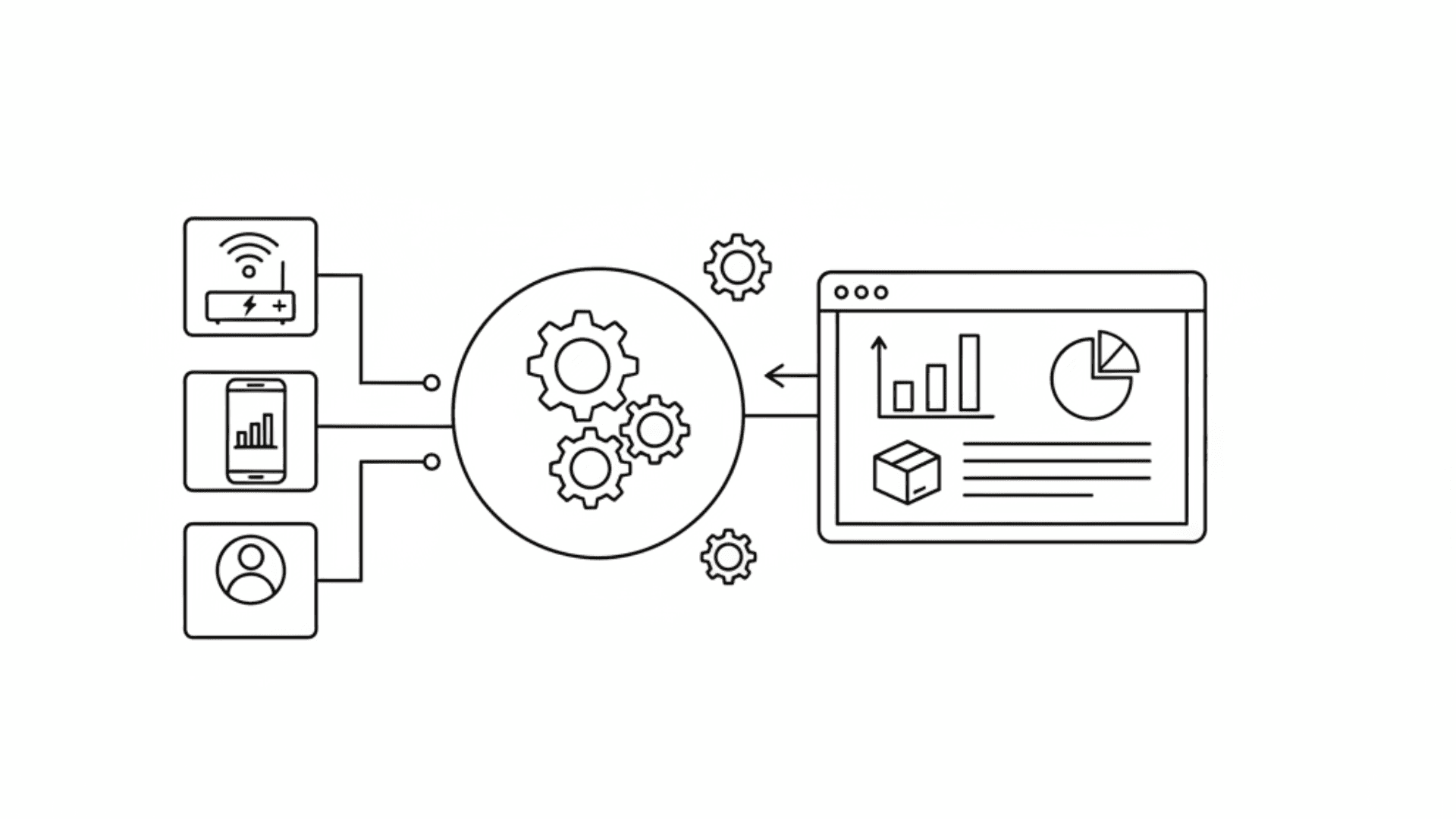
Modern businesses require integration as a fundamental base to continue operating successfully. Organizations produce enormous amounts of data through their multiple platforms each day. Valuable information stays trapped in isolated systems because organizations lack integration, which creates blind spots that prevent effective decision-making. The process of integration makes this data available, which allows companies to use their information assets completely while gaining total operational awareness.
What is Technology Integration?
The process of technology integration requires linking different software tools and systems to create a single operational system. Integrated systems function through data sharing and automatic action coordination, which prevents them from working independently. Organizations can achieve operational efficiency through this solution, which eliminates duplicate work by enabling uninterrupted information flow across the entire organization.
Businesses link technologies together to achieve specific operational goals through the concept of system integration. The connections between applications span from basic data sharing between two systems to full-scale enterprise system coordination. The system integration enables automated order processing, which includes inventory updates and shipping activation, and financial record adjustments, and confirmation message delivery.
Benefits of Technology Integration
The following are the benefits of technology integration:
1. Improved Operational Efficiency
The process of technology integration removes time-wasting manual processes. Automated system communication enables staff members to pause data transfers between applications. This provides them with more time to concentrate on strategic responsibilities. The automation system helps generate clear data that improves operational reliability. This is because it eliminates human errors that occur during manual operations.
If the whole system is integrated, business processes reach their fastest operational speed. An automated system can itself update the inventory and complete the orders at the maximum speed possible. Financial transactions post instantly across multiple systems. Marketing campaigns create audience segments by using real-time customer behavior data. These seamless connections compress timeframes, enabling organizations to operate at unprecedented speeds.
2. Enhanced Data Accessibility and Security
The data repositories of integrated systems form a centralized data repository. The integrated system provides instant information to the employees. This reduces the need to browse through various disconnected software tools. This provides a single dependable base, speeding up the decision-making and enabling better teamwork.
Data security improves when organizations combine their data into a single unified system. If there are many storage locations, then the points of security protection increase. To avoid these security issues, organizations implement uniform:
Security protocols
Authentication standards
Encryption
3. Streamlined Communication and Collaboration
The integration system removes the barriers between different departments of an organization. Automated information sharing systems provide real-time activity to the team. The marketing department monitors which leads the sales team decides to follow up with. Operations tracks orders without constant meetings. Finance obtains current information right away because it does not need to wait for report generation. The system keeps all parties informed, which stops miscommunication and ensures everyone stays on the same page.
Real-time collaboration achieves peak performance through the combination of multiple systems that work together. They enable real-time editing and modifications in the documents. You can simply organize meetings by integrating video platforms with calendar and project tools. This helps support the distributed teams and remote employees of the organizations.
4. Better Decision-Making Through Analytics
Integrated systems combine data from different departments. This enable organizations to access complete business intelligence. Advanced dashboards display patterns through visual representations that detect unexpected events and reveal hidden business opportunities that remain concealed when systems operate independently. Leaders study top-level metrics alongside detailed information to grasp both the current situation and its importance.
Predictive capabilities enabled by integrated data represent a quantum leap in planning. Machine learning algorithms forecast demand patterns, predict customer behavior, identify risks, and recommend optimal strategies. Businesses shift from reactive problem-solving to proactive opportunity-seeking, creating substantial competitive advantages in fast-moving markets.
5. Cost Reduction and Resource Optimization
The integration system produces major financial advantages through automated workflows, which decrease labor expenses. The removal of duplicate software results in major licensing cost reductions. Consolidated systems need less maintenance work and require fewer administrators to operate. The long-term savings from integration investments prove their profitability because they generate substantial returns that surpass initial purchase expenditures.
Resource allocation becomes strategic when systems provide complete operational visibility. Organizations identify underperforming assets, streamline inefficient workflows, and redirect resources toward high-impact activities. Inventory optimization helps businesses avoid running out of stock while also preventing carrying costs that result from having too much inventory. The data-based management approach ensures maximum financial gain from each dollar spent.
Key Areas of Technology Integration
1. Cloud Computing and SaaS Platforms
Cloud-based integration has revolutionized the connection between businesses and systems. Software as a Service platforms remove the need for costly infrastructure by providing built-in integration capabilities. Modern cloud solutions provide users with simple tool connection capabilities that do not require technical expertise.
Cloud computing enables unprecedented scalability for growing businesses. Organizations add users, storage, or new features when they try to evolve. The flexibility system works perfectly for businesses that require additional space during their peak seasons or when they need to expand rapidly. The cloud integration system provides seamless communication with remote users.
2. Artificial Intelligence and Machine Learning
AI integration improves human proficiency, enabling businesses to run at their maximum potential. Machine learning algorithms analyze large datasets to detect patterns that enable them to create predictions and perform automated, complex decision-making processes. The integration of intelligent systems into operational processes enables them to deliver customer service at superhuman speeds and optimize supply chains, marketing personalization, and fraud detection.
NLP technology is changing the way of interaction between people and computers. They also help automatically identify the satisfaction levels of the customers.. The system provides users with easy access to its features, which leads to better user experiences.
3. Internet of Things (IoT) and Automation
IoT links physical systems to digital systems through smart sensors and devices. When you want to analyze operational data, you need the collective information of all the connected decvices. The manufacturing industry employs IoT sensors to track equipment status. This enables predictive maintenance, reducing the downtime.
Smart technology functions can better operate the daily business activities. Retailers use IoT beacons to monitor movements of the cuwstomers. This helps retailers create store layouts, boosting customer experience. Smart buildings use automated systems to regulate lighting and climate control based on the number of people present in each area. Fleet systems operate by tracking vehicles and drivers. The system integrates multiple systems to create self-learning environments that perform automatic optimization activities.
4. Enterprise Resource Planning (ERP) and CRM Systems
The ERP system links financial management and supply chain operations and human resources, and other essential business functions into one unified system. ERP integration enables organizations to break down departmental barriers, which results in better organizational visibility and improved enterprise-wide execution.
CRM systems that connect with marketing, sales, and service platforms enable organizations to track every stage of customer interactions. The sales team members access complete customer information during their discussions. Marketing targets a campaign based on actual consumer behavior. Support teams solve problems efficiently because they have access to the complete history of customer interactions. The integrated system works to enhance customer satisfaction and loyalty, which results in increased revenue generation.
Challenges in Implementing Technology Integration
1. Compatibility Issues
Multiple integration projects face a major barrier from technical compatibility issues. Different vendors employ their own proprietary data formats and protocols, which create barriers to connection. The heritage systems do not support any form of modern integration functions. Organizations need to spend money on middleware solutions and custom software development, and complex data transformation processes to solve these integration problems.
Vendor lock-in creates extra challenges because it restricts the available options for system integration. Some providers implement closed systems that prevent their products from connecting with competing systems. The selection of vendors who pledge to use open standards for interoperability helps organizations prevent these problems, yet it needs thorough assessment.
2. Cybersecurity Risks
Each integration point is a possible entry point for attackers to exploit. The increasing connection of systems results in a substantial growth of vulnerable points that attackers can exploit. A security breach in one system has the ability to spread across all connected network systems. Organizations need advanced security systems that use multiple layers to protect against threats that target their integrated systems.
Third-party integrations bring security risks because external partners might not maintain the same level of security standards as internal systems. Organizations need to conduct thorough partner evaluations and establish routine inspection processes and strict access control systems, and continuous threat detection mechanisms. The protection of integrated environments requires both expert knowledge and continuous monitoring.
3. Employee Adaptation and Training
Human resistance creates bigger problems than technical systems encounter. The introduction of new systems creates anxiety among employees who find comfort in their established work routines. The process of learning integrated platforms becomes difficult for workers who lack technological skills. The lack of proper support systems causes employees to make errors, while their work performance deteriorates.
Successful project implementation depends on effective change management systems, which separate them from failed initiatives. Organizations need to present advantages to their staff members during the planning stage and deliver full training programs to their employees. Internal champions who assist colleagues with change adoption speed up the process of adoption. The human-centric approach in organizations leads to better implementation speeds with improved financial results.
4. Cost and Infrastructure Concerns
The total cost of full integration appears to be a major financial investment. The cost of licensing fees, combined with professional services and hardware upgrades, and training expenses, results in fast financial growth. The process of full returns requires extended periods, which can take several months or even years to reach completion. Budget restrictions create difficult decisions about which integrations will provide the highest value.
Existing infrastructure frequently requires substantial upgrades. The networks of the past do not provide enough bandwidth to support real-time synchronization functionality. The processing power of servers decreases as they age, which limits their ability to manage new requirements. The available storage space shows limited capacity. Organizations need to evaluate their capabilities with honesty while creating realistic budgets that include backup plans for unforeseen expenses.
5. Data Quality and Standardization
Integrated systems actually make data quality issues worse instead of fixing them. The combination of inconsistent formats and duplicate records and incomplete information, and conflicting values results in data management challenges. Organizations need to establish data cleansing and standardization, and governance processes before they can connect their systems.
The integrated system needs error-free operations because any mistake will spread throughout the entire system. Multiple systems experience delivery failures and billing complications, and service disruptions because of one wrong address. Organizations need to establish specific ownership for their work process and define validation rules and quality standards, and perform regular audits to avoid expensive problems that occur later in the process.
Best Practices for Successful Technology Integration
Organizations need to establish specific business goals that will connect their integration work to their core business needs. The process of identifying particular problems to address enables organizations to direct their investments effectively while tracking progress and keeping stakeholders engaged during the implementation phase.
The development of small pilot projects enables organizations to decrease operational risks while they gain new skills and experience. The process of testing integrations on small scales enables teams to discover problems while showing their worth before deploying them across the entire organization. Successful pilots create momentum while minimizing operational disruption.
The selection of an integration platform will determine the long-term success of your project. The pre-built connectors of Modern Integration Platform as a Service solutions connect to hundreds of applications, which makes integration easier. Organizations should evaluate platforms based on scalability, security, ease of use, and compatibility with existing technology.
The organization needs to involve stakeholders from different departments to make sure the integration solutions address actual business needs. IT teams bring technical expertise while business users understand workflow needs. The collaborative design process leads to practical solutions that perform successfully during regular day-to-day operations.
Organizations can avoid expensive security breaches by establishing their first security measures during the planning stage. The standard security measures for integration processes require organizations to establish encryption systems and authentication protocols and access control systems, and perform routine security evaluations.
The organization needs to create detailed documentation and provide complete training materials to make sure the adoption process works well. The step-by-step instructions enable employees to understand their work processes and handle problems that show up. The process of system evolution requires continuous team education to achieve superior long-term results.
Future of Technology Integration
The process of integration will experience a shift from its current technical approach to become an intelligent self-optimizing capability because of artificial intelligence. The following generation of platforms will automatically detect connection points and provide configuration suggestions and data flow adjustments based on environmental changes. Machine learning systems will detect upcoming failures through predictive analysis, which enables them to suggest maintenance actions before actual breakdowns occur.
The development of low-code and no-code tools has transformed integration development into a process accessible to a wider group of people. Business users who lack programming skills can now develop connections through user-friendly visual interfaces. The process of democratization speeds up change because it enables employees who work directly with problems to create their own solutions.
Edge computing will reshape integration by distributing processing closer to data sources. Edge devices will perform analytics processing at their own location instead of sending data to centralized cloud systems. The system operates at a low latency level, which enables it to deliver immediate responses for applications that need quick reactions, such as autonomous vehicles and industrial automation.
The blockchain system provides a solution for multi-party integrations that need trust and transparency. Distributed ledgers establish permanent records that show all transaction activities and data movements between parties. The system could revolutionize supply chain monitoring and healthcare data exchange, and financial transaction processing.
Conclusion
Technology integration has evolved from a competitive advantage to a business imperative in the digital economy. Organizations that successfully orchestrate their technology ecosystems achieve remarkable gains in efficiency, insight, agility, and innovation. Best practice implementation leads to transformative results that greatly surpass the initial investment costs.
Integration technology is evolving to become more powerful and easier to use while becoming smarter. The integration barriers between AI and cloud computing, and advanced technologies continue to decrease as these technologies develop. Organizations that implement integration strategies today will develop operational excellence, yet they will establish a foundation for success in the digital business world.
Frequently Asked Questions
1. Why is technology integration important?
Technology integration is important since it eliminates inefficiencies, enables data-driven decisions, and creates competitive advantages through connected systems.
2. How does tech integration impact society?
It improves healthcare delivery, enables remote work, enhances education access, and creates more efficient public services.
3. How does technology integration improve productivity?
Technology integration automates repetitive tasks, eliminates manual data entry, and allows employees to focus on strategic work.
4. How can small businesses benefit from integrated technology?
Cloud-based integration provides enterprise capabilities at affordable costs without requiring large IT departments.
5. What is the difference between technology integration and digital transformation?
Integration connects existing systems while transformation reimagines business models and organizational culture through technology.


