Introduction to Battery Management Systems (BMS)
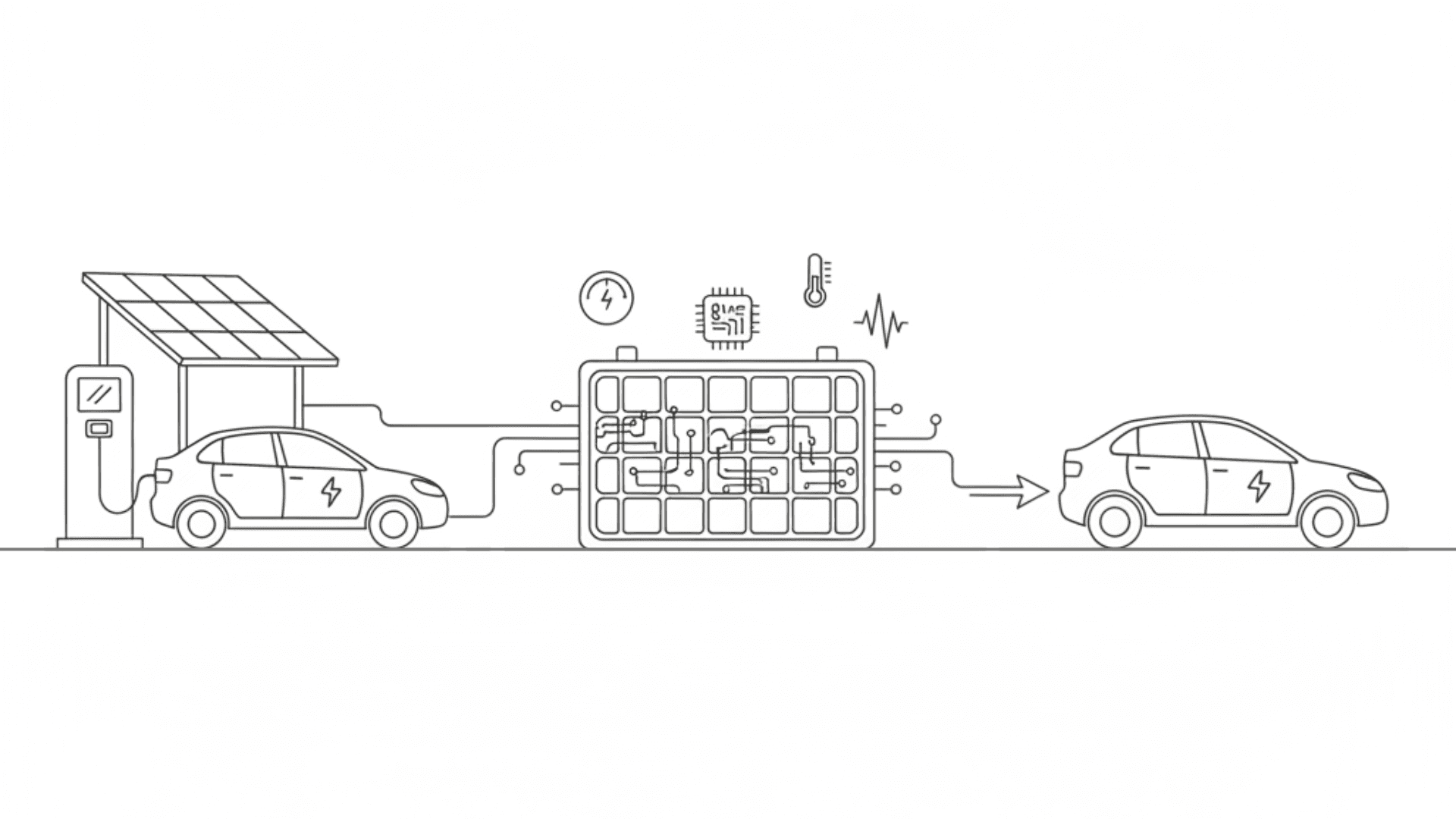
Batteries are all around us in our phones, laptops, cars, and even in huge power stations. But here’s the thing: a battery can’t really take care of itself. It needs a kind of brain that keeps it safe, makes it last longer, and helps it do its job properly. That brain is called a Battery Management System (BMS).
In the past, a BMS mostly checked basic things: is the battery too hot, too cold, too full, or nearly empty? If something was wrong, it would stop the battery from being damaged. Today, things are changing fast. Modern BMS technology can do much more it can predict problems before they happen. It studies how the battery is being used and learns patterns. For example, it can tell if the battery will lose power quickly in the future and adjust charging so it lasts longer.
A new BMS can also connect to the internet. This means it can send data to engineers anywhere in the world and receive software updates to work even better just like updating an app on your phone. In big battery farms that store energy from the sun and wind, the BMS can make smart decisions, like when to store power and when to send it to homes.
The BMS is no longer just a safety tool. It is becoming the brain of the battery protecting it, improving it, and connecting it to the wider world. This change will make our energy systems smarter, cleaner, and more reliable for everyone.
Xbattery Smart BMS Solutions
At Xbattery , we specialize in advanced Battery Management Systems for lithium-ion batteries across automotive, industrial, and renewable energy sectors. Our BMS solutions are engineered for precision monitoring, robust safety, and seamless integration into any application from small e-mobility devices to high-voltage EV battery packs.
With cutting-edge communication protocols, high accuracy sensors, and modular designs, Xbattery products deliver the reliability professionals demand. Whether you need low-voltage systems for light EVs or high-voltage platforms for large-scale applications, Xbattery has the right solution.
Types of BMS Offered by Xbattery
Low-Voltage vs High-Voltage
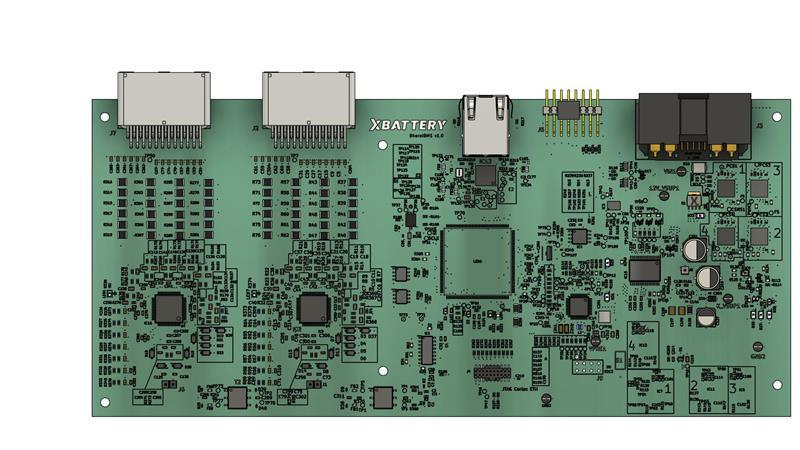
BMS solutions are broadly categorized into Low-Voltage BMS (LVBMS) and High-Voltage BMS (HVBMS). While LVBMS caters to smaller battery packs in light EVs and portable systems, HVBMS serves electric vehicles and large-scale energy storage systems requiring higher power and enhanced safety mechanisms.
Low-Voltage BMS (LVBMS) Specifications
Parameter | Specification | Notes |
Operating Voltage Range | 9.6 V – 89.5 V DC | Configurable per application |
Operating Temperature Range | -40°C to +85°C | Extended temperature range for harsh environments |
Cell Voltage Measurement Accuracy | ±10 mV (pack), ±2 mV (per cell) | High-precision monitoring |
Current Measurement Accuracy | ±0.5% | Accurate current sensing |
Temperature Sensor Inputs | Up to 6 configurable channels | For both cell and ambient monitoring |
Balancing Method | Passive cell balancing | Balancing current up to 300 mA |
Communication Interfaces | DUAL CAN (up to 1 Mbps), Ethernet, 2xUART | For seamless integration with host systems |
Power Consumption | Active: <30 mA; Sleep Mode: <150 µA | Engineered for low standby power |
Protection Features | Overvoltage, Undervoltage, Overcurrent, Short-circuit, Thermal protection | Comprehensive cell and system safety |
High-Voltage BMS (HVBMS) Specifications
Overview
High-voltage battery pack system designed for electric vehicles (EVs) and large-scale energy storage solutions. This operates with system voltages typically ranging from 100 V up to 800 V or higher, ensuring robust performance and efficiency for demanding applications.
System Architecture
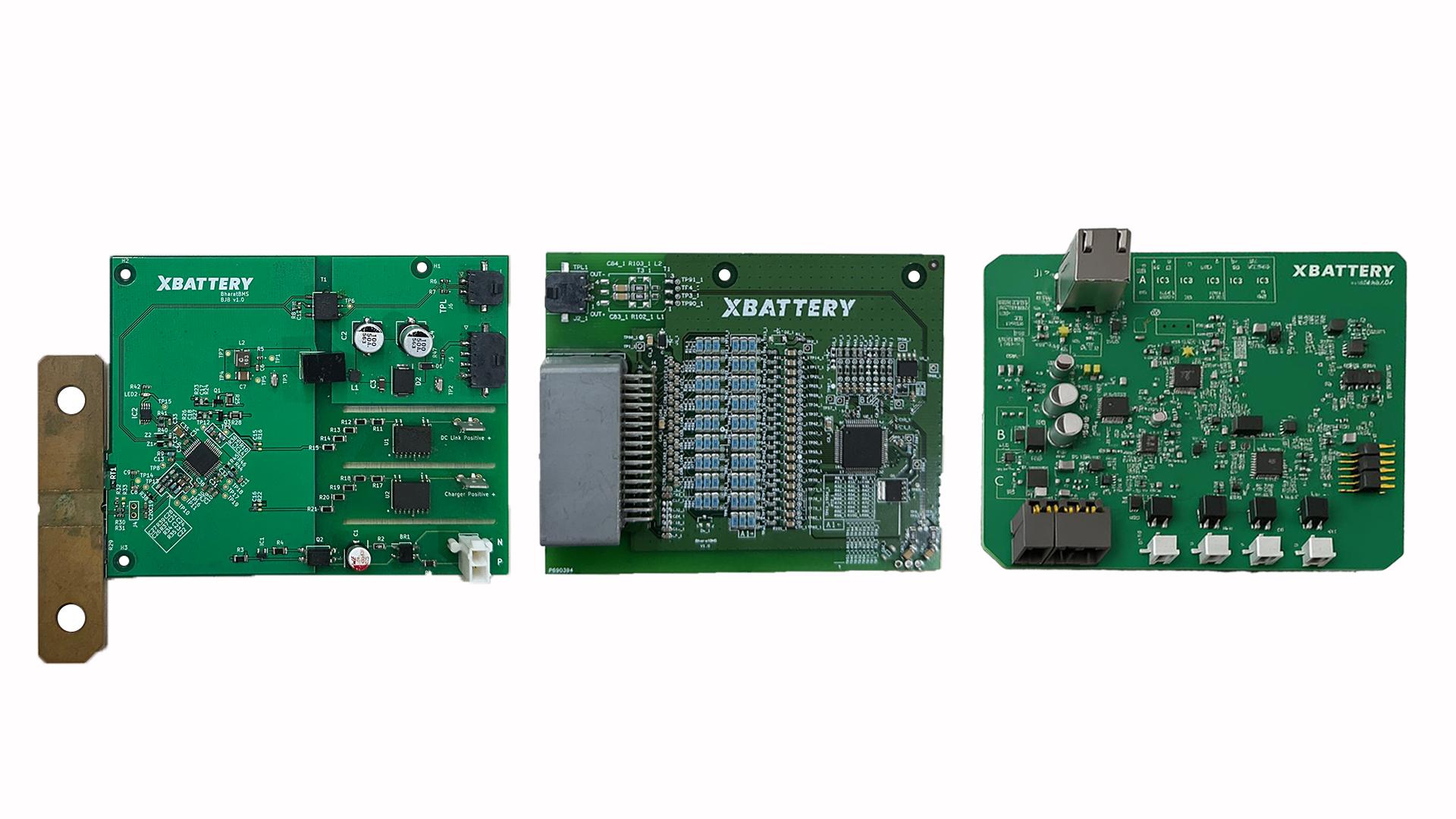
This modular design integrates multiple specialized sub-units, each contributing to the system’s reliability, safety, and performance. The key components include:
• BMU (Battery Management Unit): Serves as the central control and protection unit. Manages overall battery health, state of charge (SoC), and state of health (SoH). Ensures safe operation by monitoring and responding to critical parameters.
• CMU (Cell Monitoring Unit): Provides high-accuracy voltage and temperature sensing for individual cells or cell groups. Enables precise monitoring to prevent overcharging, overheating, and other potential issues. Supports real-time data collection for optimized battery performance.
• BJB (Battery Junction Box): Facilitates interconnection between battery modules and the rest of the system. Includes features for isolation testing to ensure electrical safety and reliability. Protects against short circuits and other electrical faults.
Key Features
• Modular and scalable design for flexibility in various applications.
• High-voltage compatibility (100 V to 800 V+) for EVs and energy storage systems.
• Advanced monitoring and protection for enhanced safety and longevity.
Parameter | Specification | Notes |
Operating Voltage Range | 100 V – 800 V (configurable) | Suitable for high-voltage applications |
Cell Monitoring | Supports 3 – 18 cells per module | Flexible cell string configuration |
Contactor-Based Protection | Yes (supports external contactor control) | Extremely Reliable |
Voltage Measurement Accuracy | ±3 mV (typical) | Ensures precise cell voltage tracking |
Current Measurement Accuracy | ±1% | Critical for accurate current sensing |
Temperature Measurement | Up to 4+ sensors per module; ±2°C accuracy | Monitors cell and ambient temperatures |
Protection Features | Overvoltage, undervoltage, overcurrent, short-circuit, insulation monitoring, pre-charge control | Advanced safety and fault management |
Communication Interfaces | Advanced CAN FD, RS485, Ethernet, UART (Optional Bluetooth/Wi-Fi) | Enables real-time diagnostics and OTA updates |
Power Consumption | Optimized active consumption; ultra-low standby mode | Designed for efficient energy use |
Additional Features | Firmware upgradability, integrated data logging, isolation measurement | Enhances reliability and serviceabilit |
How to Choose the Best BMS for Lithium-Ion Batteries When selecting a BMS, keep these factors in mind:
1. Match Voltage & Chemistry: Ensure the BMS matches your battery’s voltage range and lithium-ion chemistry.
2. Check Accuracy: High-precision monitoring ensures better performance and longevity.
3. Communication Support: CAN, Bluetooth, or Ethernet for real-time monitoring and diagnostics.
4. Safety Certifications: UL, CE, or equivalent for verified safety standards.
5. Scalability: Modular designs allow future expansion.
6. After-Sales Support: Reliable technical help is essential for integration and maintenance.
Applications of Lithium-Ion Batteries with BMS
Electric Vehicles (EVs) – Ensures safe, efficient power delivery and extends range.
Renewable Energy Storage – Maintains reliability during continuous charging and discharging.
Consumer Electronics – Protects smartphones, laptops, and tablets from overheating.
Industrial & Medical Equipment – Guarantees stable power for machinery and life-support systems
Common Mistakes to Avoid
Focusing only on price – Cheap BMS units may compromise safety.
Ignoring compatibility – Mismatched BMS can cause damage or inefficiency.
Skipping firmware updates – Keep software up-to-date for accuracy and safety.
Overlooking technical support – Good manuals and customer service make a big difference.
Conclusion:
A Battery Management System is not optional it’s critical for ensuring the safety, efficiency, and lifespan of lithium-ion batteries. From small e-mobility devices to high-voltage EV applications, the right BMS makes all the difference. Xbattery BMS stands out with precision engineering, advanced safety features, and world-class support. Whether you need a robust low-voltage or a high-voltage solution, Xbattery delivers unmatched reliability for the electric future.
Frequently Asked Questions:
1. Why is accuracy important in BMS monitoring?
High-precision voltage, current, and temperature measurements help prevent battery degradation, ensure safety, and maximize usable capacity.
2. Can modern BMS be updated like software on phones?
Yes. Many advanced BMS solutions, including Xbattery’s, support over-the-air (OTA) firmware updates for better performance, bug fixes, and new features.
3. How does a BMS improve battery life?
By preventing overcharging, deep discharging, overheating, and balancing cell voltages, a BMS reduces stress on the battery and extends its usable lifespan.
4. Which industries benefit from using a BMS?
Electric vehicles, renewable energy storage, consumer electronics, industrial equipment, and medical devices all rely on BMS for safe and reliable battery use.


